
Streetwear Now: The Style, Shift, & Substance
Streetwear has always been about more than just clothes. Unlike traditional fashion categories, it wasn’t created by brands for consumers, but by people and communities carving out a space for identity, expression, and rebellion. It’s fashion shaped from the ground up.
When we first explored streetwear years ago, we spoke with industry figures in London, Paris, and Milan to understand where the movement was headed. Their insights captured a cultural shift already underway. Now, we’re revisiting that conversation through today’s lens. In the years since, the world, and fashion, has changed. Post-pandemic, hype culture has cooled. Youth consumers, despite being weighed down by economic pressure, are focused on sustainability, quality, and personal style. Streetwear has moved beyond exclusivity and into something more democratic, more intentional.
Unintentional Fashion Pioneers
What is Streetwear?
Hypebeast defines streetwear as “fashionable, casual clothes”, but explains that this definition undermines the multi-billion dollar industry that streetwear has become. Streetwear as we know it today originated in the ’90s, in the hip-hop scenes of New York, the surf-skate and graffiti culture of Los Angeles, and within the nightlife of Japan. James Jebbia has said that his influence as a designer “was definitely the young skaters in New York. Also traveling to Japan and seeing their great style. Traveling to London. It was a combination of that.” Designers like Jebbia and Shawn Stussy pioneered streetwear in the US with their brands Supreme and Stüssy, and designers such as Nigo and Hiroshi Fujiwara aka “the godfather of Harajuku”, led the movement across the Pacific.
It is important to view streetwear as a movement, not as a trend because it is a cultural phenomenon. Graphic tees, loose-fitting jeans, and statement sneakers were created purposefully as an expression by their consumer: the rapper, the skater, and the rebel. It is the symbol of the youth and counterculture. In the ’80s and ’90s, many traditional brands would not dress some musicians or sports stars, so the community had no choice but to make their own clothing and define what fashion meant to them. Virgil Abloh expressed this community shift in a 2019 interview: “I grew up in the 80s and 90s and in that generation we had our own idea of what a fashion designer is, and we had our own idea of what a musician was”. Streetwear has since evolved, branching off into athleisure, luxury, modern, techwear, grunge, and so many more sub-styles. Despite streetwear’s constant evolution, what remains at its core principles are culture, community, and self-expression.
Changes Post-Pandemic
Streetwear in the mid-2010s
Most trends originate from a small community, gaining attention and traction from neighboring communities, subsequently emerging into the mainstream. The streetwear explosion of the mid-2010s was no different, and it was ignited by consumers wanting to be “in” on the exclusivity of streetwear. Luxury brands cashed in on the movement (we all remember the 2017 Supreme x Louis Vuitton collection), reinforcing the exclusivity element. Capsule collections, limited editions, and artistic collaborations were the defining signatures of streetwear. Brands like Off-White, Nike, Balenciaga, and Palace blurred the lines between streetwear and high fashion, pushing traditional luxury houses to follow suit. Streetwear had shifted from being a symbol of counterculture to one of luxury and status.
It seemed that consumers of the new streetwear were more concerned with owning pieces than personal style. This is what the exclusivity of streetwear had done to the style. The desire to be involved superseded everything else, and what emerged was vapid. Style that looked the part but lacked meaning, individuality and only a faint connection to the culture that created it.
But as the hype faded, so did the illusion. In its place, the youth began to reimagine what streetwear could be, less about flexing and more about expressing. Today’s wearers care less about limited drops and more about lasting impact. There was a desire to return to streetwear’s roots: community, craft, and clothing that actually means something beyond the label attached to it.
What do consumers value now?
In today’s post-pandemic world, the youth are faced with economic pressure like they’d never experienced before. Still, they turn to streetwear for self-expression through fashion. Changing attitudes amongst the youth towards sustainability practices, ethical consumption, individuality, all paired with an unfavorable economic environment, has contributed to a new climate in streetwear fashion compared to pre-pandemic.
With individualism becoming more valued, youth consumers are concerned with tailoring their closets to their personal style. This means re-wearable, durable, high-quality clothing. There is a phenomenon called “The Lipstick Effect” wherein during times of economic hardship, consumers often cut back on big-ticket items but still indulge in smaller, more affordable luxuries. Essentially, consumers are still willing to spend money, they are just more selective of what they spend it on. Despite economic pressure, consumers see more value in durable, sustainable goods that would cost more than low-quality, fast-fashion produced in response to short-lived trends that will eventually end up in landfills or taking up space on the racks of second-hand shops, never to be touched again.
A while back, we spoke with industry figures from the fashion capitals of London, Paris, and Milan to gain some insight into the streetwear trend. Their words, sentiments, and ideas still ring true today almost 6 years later, with some accurate predictions made of what was and is to come in the future of streetwear.
Revisiting Insight from the Fashion Capitals: London, Paris, and Milan
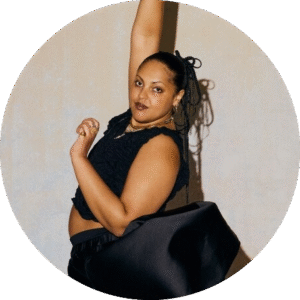
LONDON:
Simone Beyene is a stylist and visual artist working with photography and film. She currently works as Olivia Dean and Mabel’s stylist, and is represented by Arch the Agency.
Being around the music scene has been exciting as it does have a big influence on streetwear, especially in London because it’s a very lively and fun city. I think streetwear, in general, has a very heavy base in skate culture, it’s a big part of what we would call streetwear today. In London, there are brands like Palace and Places+Faces that started as young guys printing t-shirts. The core of streetwear for me is a printed t-shirt that’s been washed a million times. Rock culture and band t-shirts are a big part of streetwear, but bold colors and prints that are a bit crazy or quite funny show there is a humor to it as well.
Streetwear in London is also based off of early hip-hop in New York, and how rappers used to dress in the ’80s and ’90s. Many musicians that loved skating, like Pharrell, were known to brands as friends so these brands could just give out clothes. We all want to look like our celebrity idols or people who we love and I think that’s how streetwear became big and exploded. Especially because music travels all over the world.
I think what’s very interesting as well is that, for me, streetwear is more of a unisex look. It’s quite fun to take oversized things and make it more girly by playing with the proportions, cropping baggy clothes, and creating feminine shapes. “Matchy-matchy” tracksuits and crop tops with gold body jewelry is a big part of female streetwear too, and we saw it a lot in the late ’90s with celebrity hip-hop brands.
Now, luxury brands are taking on streetwear and are making clothes that they specifically did not use to make. You can see that luxury brands, like Louis Vuitton, Dior, and Gucci, are using a lot of monogram and it sells well because streetwear is very popular and people want to be a part of the culture: streetwear is a youth culture, it’s the way that the youth dress and these kids never wanted to look like anything except their version of what was cool. Now for the first time in a long time, brands are employing more people from the culture and giving references to where their collections come from. It’s important to remember the kids that created this style that brands are now profiting off of.
PARIS: 

Selma Kaci Sebbagh is a content creator and influencer. She is known for her edgy, maximalist style and her ability to put together outfits that have caught the eye of several high profile publications.
Streetwear is hard to define right now in 2020, I would say that 10 years ago it was easier to actually define. Streetwear is something that can be mixed, it can be worn by women and by men as well, which means it’s something that can be shared. I used to think that the term streetwear could be negative somehow because maybe it was an easy way for people to say something’s stylish. Streetwear is wearing the brands behind the clothes, not just a huge logo with no meaning behind it. Often, I have asked brands about where their clothes come from and how they are made because it’s important to think about the impact on the planet.
In the French market, especially for the young generation, there is an awareness about sustainability and people want to make a change. I do honestly believe that the new trends in streetwear will be focused on being more sustainable. When it comes to Parisian streetwear there is not an exact style; social media gives us a sense of not having any borders which enables us to look around beyond one style.
Something that is changing the definition of streetwear is that there are more and more women’s brands growing, especially through social media. Seeing girls and women being allowed to actually change the way that they want to dress every day allows us to have a different vision of style and streetwear. It stops brands from being closed-minded so that they do more for us, which I think is great.

MILAN:
Amanda Margiaria is a former editor for i-D Italy, one of Italy’s most prominent publications focusing on streetwear fashion and culture.
There is no single definition for Milanese streetwear because this style encompasses many different social layers and subcultures. The Milanese skaters wear streetwear, the Milanese hype-kids wear streetwear, the Milanese influencers wear streetwear, but their clothes have little to do with each other. The fil rouge, though, can be found in the attitude of all these people. They wear what they wear because they’re making a clear statement. Their clothes say:
“We don’t want to homologate to the Italian style, something you’d associate to tailor-made suits, eccentric hats, and the Pitti Peacocks. We are unique, we are outcasts and we wear streetwear because we want to be underdressed in every social situation.”
Streetwear is all about the message you want to convey. If you wear streetwear, you refuse to meet the expectations of society. Streetwear was born out of rejection for social norms, and this rebellion will always be the key element of streetwear. From a style point of view, though, I think streetwear is going towards more unique and sustainable clothes and accessories, because what’s better than an Off-White sweater? A custom-made sweater, made of recycled Off-White textiles. Streetwear can survive only if the customers’ expectations are met; so it will still be something exclusive and at the same time very democratic because… if this style wants to stay relevant, a political and social commitment is of foremost importance.
Moving Forward
The perspectives from London, Paris, and Milan captured the undercurrents that would go on to shape streetwear’s evolution. London reflected on its roots in youth-driven counterculture, DIY spirit, and unisex appeal, while noting how luxury brands co-opted the style in the mid-2010s. Paris pointed to a growing shift towards sustainability, gender inclusivity, and the influence of women in streetwear. Milan stressed individuality and sustainability, warning that streetwear would only survive if it balanced exclusivity with accessibility and stayed politically and socially engaged.
Today, these observations have proven prescient. Streetwear has moved away from hype-driven status pieces toward durability, personal style, and values-led consumption. Economic pressures have made buyers more selective, but the core remains unchanged: streetwear is still fueled by youth culture and its ability to reflect the times. For brands and designers, the challenge is the same as ever. Stay connected to the community that built it, or risk becoming irrelevant.
References: Image: Copenhagen Fashion Week Image Bank. Hypebeast: Streetwear History & Definition. GQ: The Supreme Leader: The Extended James Jebbia Interview. Dazed: Virgil Abloh: Streetwear?. GQ: Supreme x Louis Vuitton: See Every Piece from the Game-changing Collaboration. Investopedia: Lipstick Effect: Definition, Theory, and Value As Economic Indicator

Alexandra Brøndum is the U.S. Media Researcher at VOCAST. She has a bachelor’s degree in Communication from UC San Diego and a master’s degree in Cognition and Communication from Københavns Universitet. Outside of work, she is a singer and songwriter.
This article is an interpretation of an older article, written by former UK and US Researcher Georgina Juel and Italian Market Coordinator Olivia Mariani.
This article was published on the 13th of August 2025 and the original article was published on the 18th of August 2020.
Want to learn more about these curated lists? Feel free to contact us.
SIGN UP TO OUR NEWSLETTER
Get free knowledge on how to optimize your B2B marketing & new product releases.
RELATED POSTS
Protected: UGC: Why Are Brands Trading Perfect Studio Shoots for Authentic, Lived-In Content?
Password Protected
To view this protected post, enter the password below:

The product isn’t sold until your partner sells it
Linus Bohlin has bought brands, sold a brand, and is now building one. From all three seats, the same lesson keeps surfacing: the brands that resellers sell hardest are the ones that make their product data and content easiest to use. Most people in this industry...

3daysofdesign Lasts 72 Hours. Your Showroom’s Impact shouldn’t.
Design festivals are fast-paced, highly compressed, and intensely competitive. To stand out among hundreds of exhibitors during Copenhagen’s 3daysofdesign, forward-thinking brands must look beyond physical square footage. By transforming your digital showroom into a...

