Facebook
Denmark: Why and how to conquer the lifestyle market

Denmark: Why and how to conquer the lifestyle market

Denmark: Why and how to conquer the lifestyle market

VOCAST has been curating lists for the Danish Fashion and Home Interior sectors for many years. Due to the relevance of conquering the Danish Market for all lifestyle brands. Danes value design, quality, transparency – and the storytelling of a brand. With a strong national identity and pride in Danish Design – the Danes love to support the brands that differentiate on both design and histories. 

Find a recap of important things to know about the market. Here is why and how you should go about conquering the Danish Lifestyle Market:

Quality over quantity

Danes are born and raised surrounded by nothing but quality. The Danish design heritage and excellent quality are, for that reason, very important. Offer a Dane vintage and long-lasting styles, with a modern and casual twist – and you will have their heart. The quality of lifestyle is important to the Danes too, and Denmark takes great pride in their welfare state. Doing business in the Danish Market is built on trust, actually, everything the Danes do is built on trust – trust is a key value in the Danish culture. Honesty and a strong relation with your collaborating partners is expected in Denmark.

Keep it cool and casual

Danes are in general highly educated and well informed. But, there is no need to be formal when approaching a Dane, they are known for their informality. Humor is the key to get the attention of Danes – don’t forget they have been awarded the title of the happiest country in the world multiple times. At the same time, Danes love efficiency so keep the casual approach, but don’t get slobby – Danes have deadlines, and they will follow them!

The pride of Danishness

Danishness” – a core value for Danish people. The Danes take great pride in being Danish and the ideology of Danishness – they tend to almost worship the culture and their design. It might be due to the fact that Denmark is such a small country, that the national identity has to be at its highest. ‘Danish Design’ is a value stamp for Danes, and many feel supportive of their fellow Danes. So when it comes to the Danish market, bear in mind that everything you do has to align with the Danish culture and value-set. The Danes may commute by bike and value practicality in their homes and outfits, but that does not mean they will ever downgrade on design nor on quality.


Get acquainted with the Danish media landscape

Included in VOCAST’s Danish curated lists


A rich influencer scene

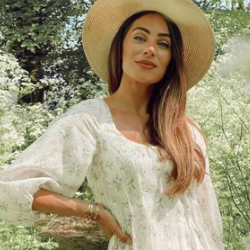
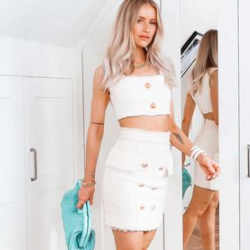
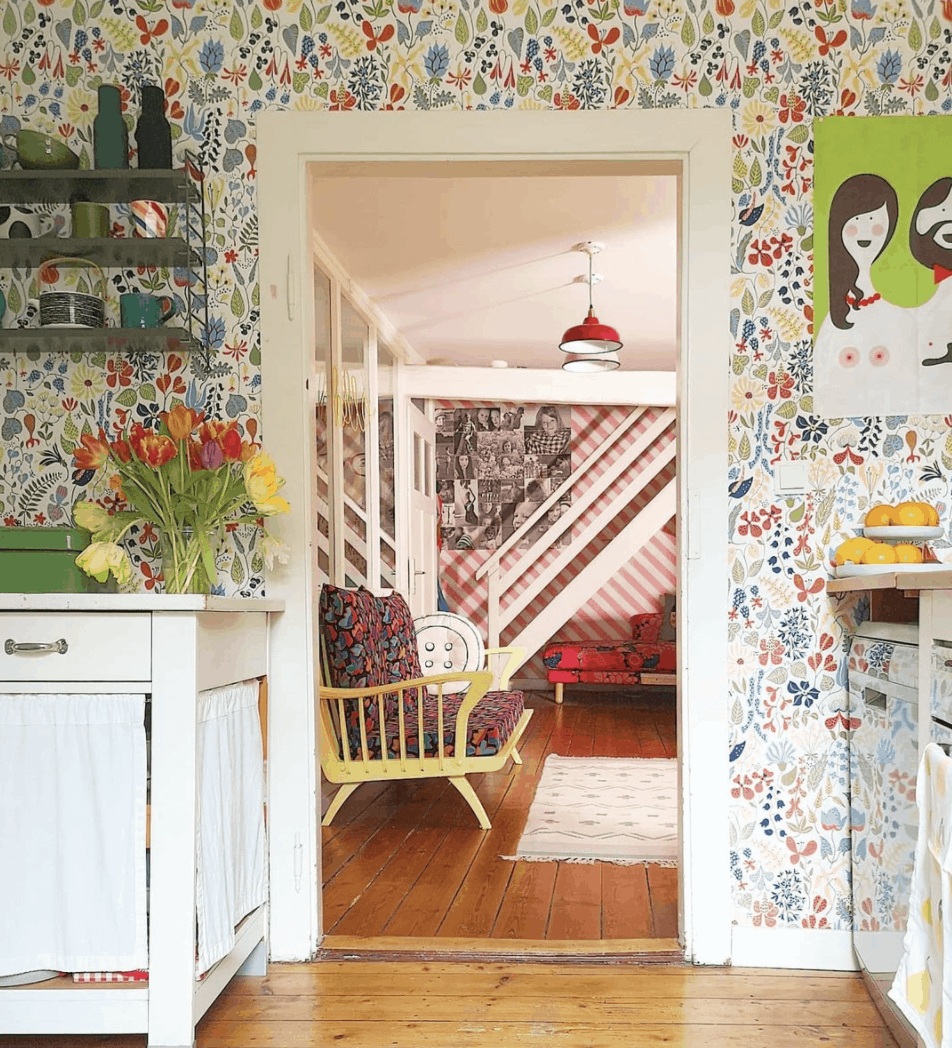
The Danish influencer scene is aesthetically pleasing to the eye, with respect for the Danish values of quality and design. Denmark is the most daring country in Scandinavia in regard to color and pattern mixing. This is clearly shown when browsing through the landscape of Danish lifestyle influencers. The fact that Denmark is quite a small country can be an advantage for up & coming influencers since it is possible to quickly move up the ladder and achieve a quite big following. With that said, the Danish Influencer market is constantly evolving, with new profiles arising weekly. You can always find a Danish influencer matching your brand values and aesthetics.

Pernille Teisbæk

Pernille is one of Denmarks Fashion Influencers with the highest following on Instagram. Pernille Teisbæk has 1M followers and is working as a Stylist and Creative Director.

Cathrine de Lichtenberg

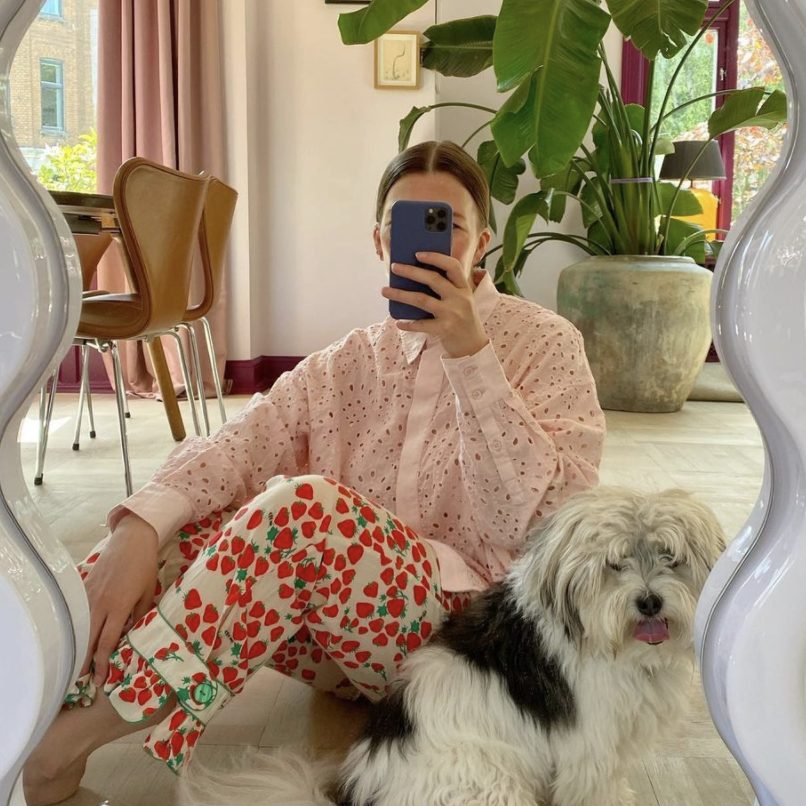
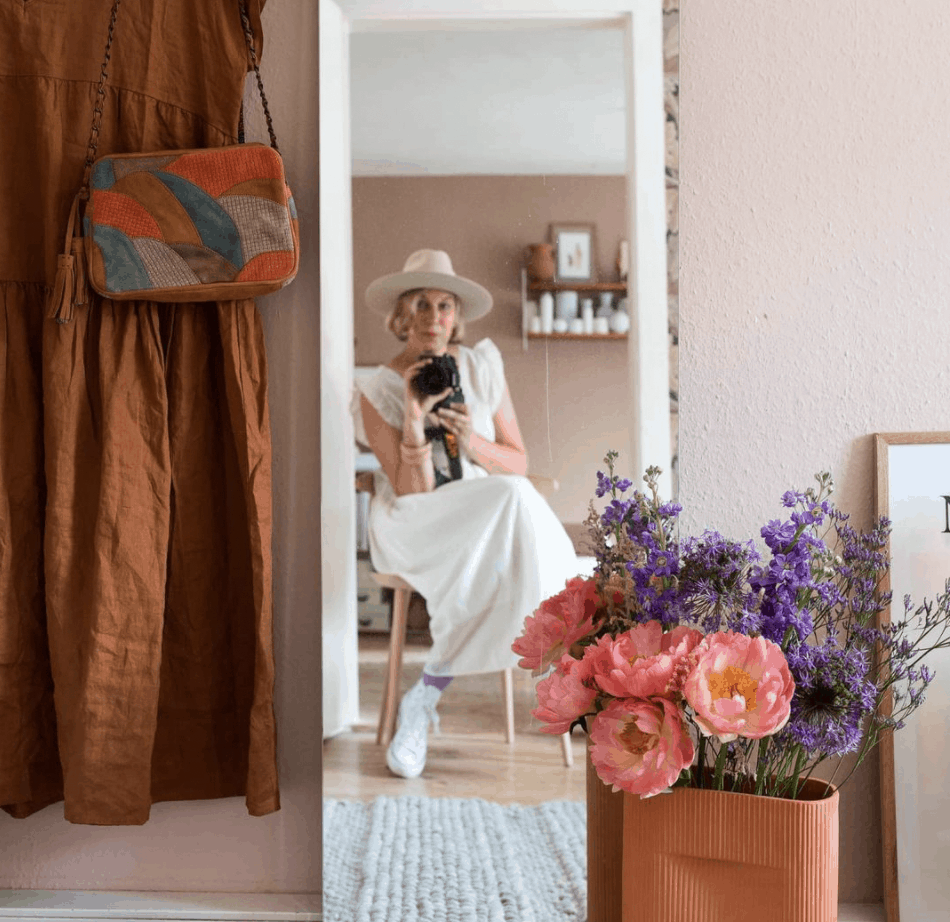
Cathrine is a Danish Home Interior Influencer with 71,3K followers on Instagram, surrounded by a rainbow of colors wherever she goes.

Emili Sindlev

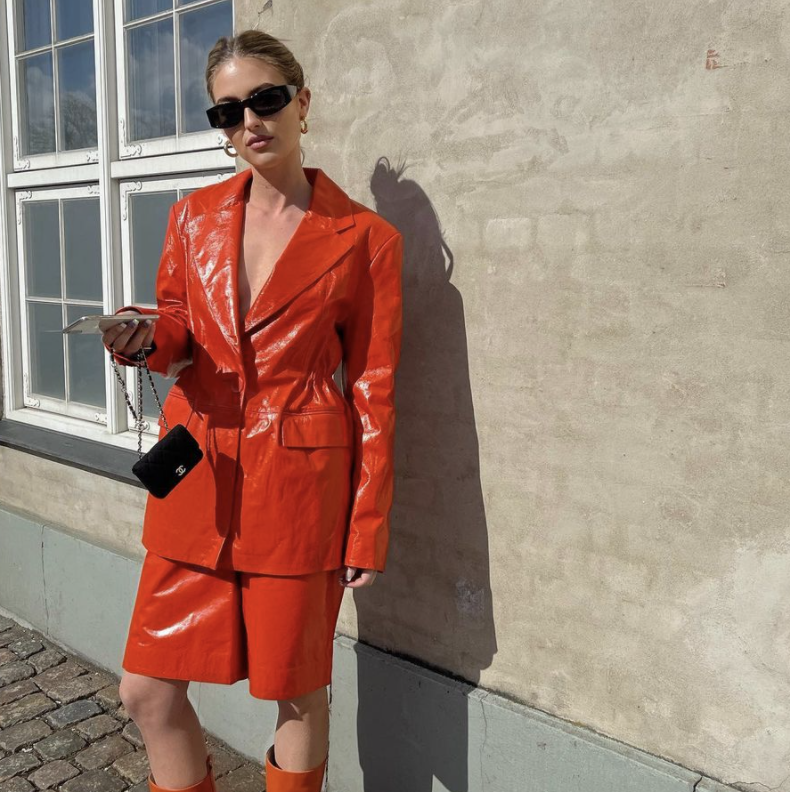
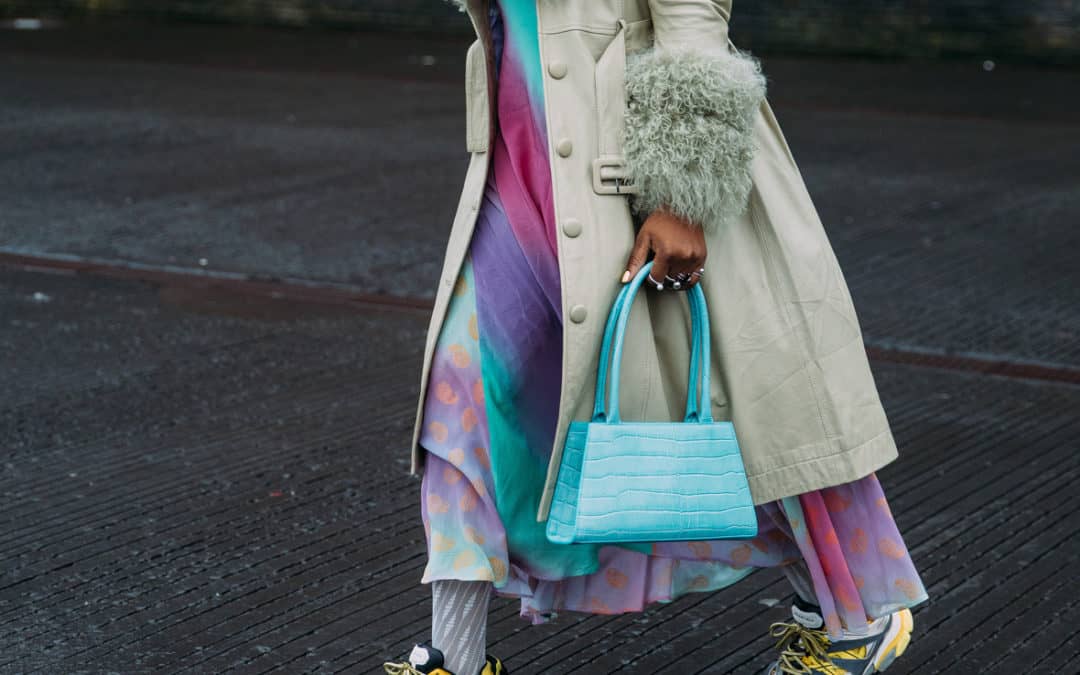
Emili is a Danish Fashion Influencer with around 600K followers on Instagram, living the Copenhagen life. You will always see her incorporate a hint of neon in her urban-street-chic outfits.

Michael Schmidt

Michael is a Danish Interior Influencer, with a following of 26K on Instagram. His profile is showcasing the essence of Danish design, with high-quality minimalism and a splash of color.


Ella Karberg

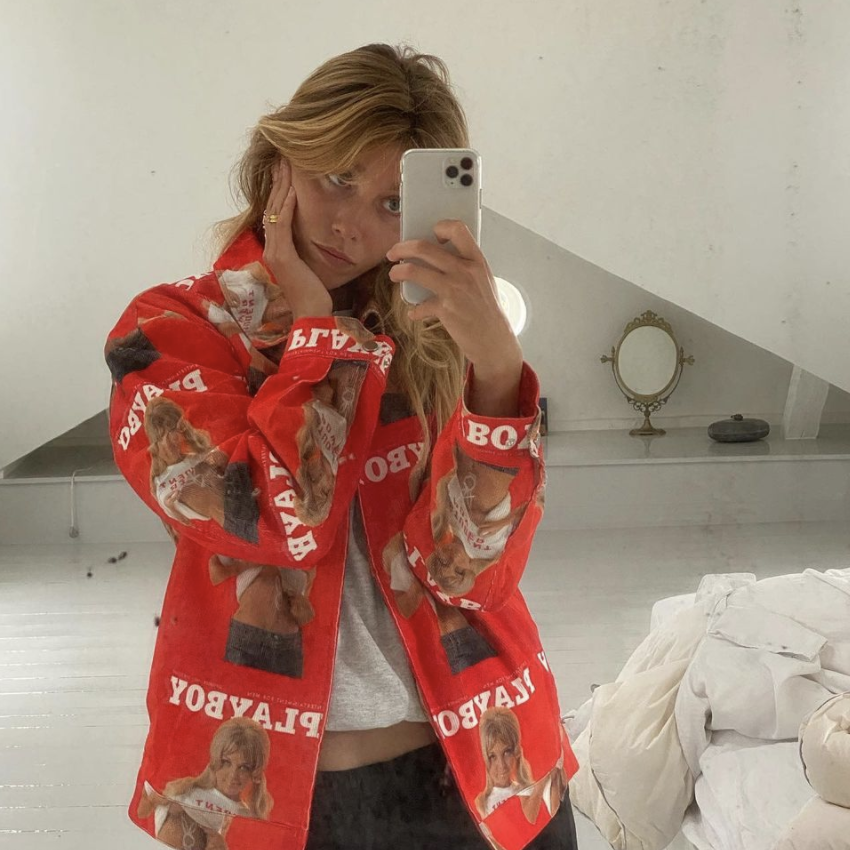
Ella is a Danish Fashion Influencer with a following of 194K on Instagram, representing the younger part of the Fashion industry with a playful and colorful style.


Key publishing houses

Denmark has a long-standing design history affecting the publishing landscape, consisting of multiple magazines addressing various spectrums of Danish design and fashion.

As Denmark is a small country, with a small media landscape – you will find a few key publishing houses holding the most important lifestyle magazines:

Aller Media

Aller Media is the leading publisher of magazines and weeklies in Denmark, holding publications such as ELLE, Femina, IN, Mad & Bolig og Dossier.

Story House Egmont

Egmont is one of the leading Nordic media companies, holding publications such as Eurowoman, Euroman, ALT for Damerne, BoligLiv & RUM.

Bonnier Publications

Bonnier Publications is holding a wide portfolio of inspiring publications, including Bo Bedre, Bolig Magasinet, COSTUME, COSTUME Living, iForm, Liv, Woman, and more.


Meet some of the editors

Cecilie Ingdal

Cecilie Ingdal is the Editor-in-Chief at ELLE Denmark and has been since the publication of the magazine. 


Anne Lose

Anne Lose is the Editor-in-Chief at Eurowoman Denmark & RUM Interior Design. 


Barbara Gullstein

Barbara W. Gullstein is the Senior Fashion Director at Eurowoman & Euroman Denmark. 


Sophia Roe

Sophia Roe is the newly announced Danish Fashion Editor at Vogue Scandinavia. 


To get access to the Danish curated lists of these Magazines, Influencers, Stylists, Editors-in-chief, Editors, and more


Image: Copenhagen Fashion Week Image Bank.

Sarah is the Lifestyle Researcher for the Danish market at VOCAST. She is very passionate about the fashion industry and along with her work at VOCAST she studies Communication at Copenhagen Business School.


SIGN UP TO OUR NEWSLETTER

Get free knowledge on how to optimize your B2B marketing & new product releases.

RELATED POSTS

Få succes med influencer marketing som offentlig instans

Få succes med influencer marketing som offentlig instans

Influencer marketing er en branche i vækst, og mange virksomheder bruger det i kommercielle sammenhænge til at kommunikere ud til en specifik målgruppe med et bestemt budskab. Men vidste du, at offentlige instanser også kan have gavn af det f.eks. i form af en...
The UK: Why and how to conquer the lifestyle market

The UK: Why and how to conquer the lifestyle market

The UK: Why and how to conquer the lifestyle market

VOCAST has been curating lists for the UK Fashion and Home Interior sectors for some time now, and now we want to share with you the true potential of the British lifestyle scene and how you can unlock this vast market.

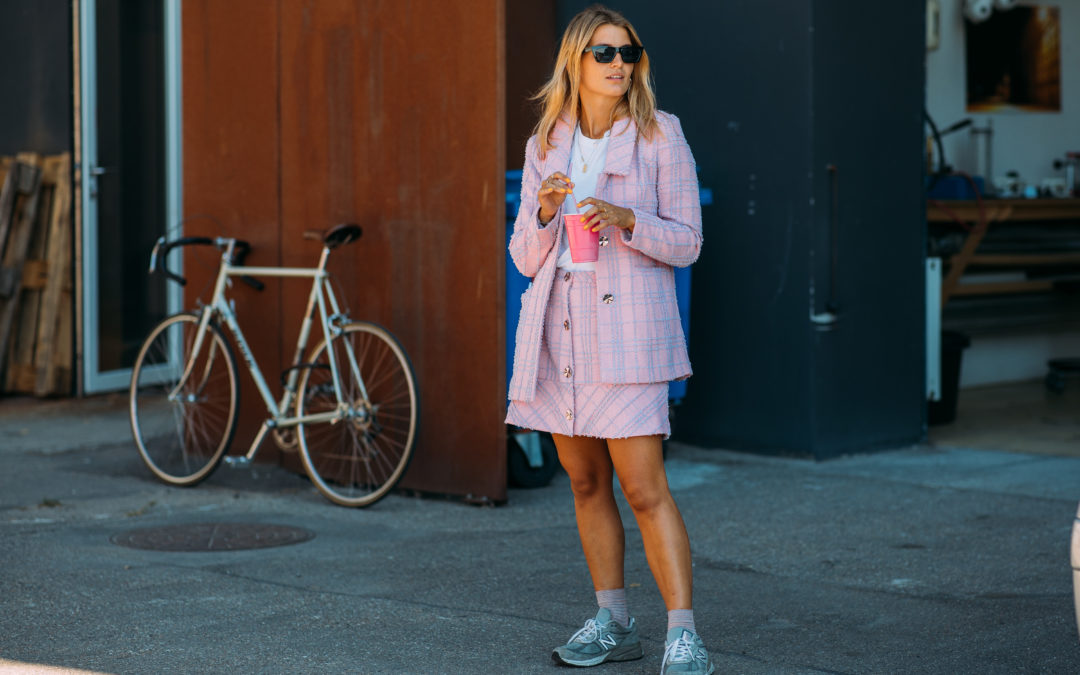
Brits are known for their varying array of accents, priding themselves on having good manners, and complaining about the bad British weather. They really love tradition, but when it comes to fashion and interior it’s more fun with a twist. This is one of the reasons why the “Scandi Chic” trend has boomed in the UK recently – Scandinavian lifestyle brands know exactly how to balance familiar and minimal, yet bold and daring design, which Brits love!

Find a recap of important things to know about the market. Here is why and how you should go about conquering the UK Lifestyle Market:

Tradition is in our DNA

The UK’s full name is the United Kingdom of Great Britain and Northern Ireland and it’s made up of four different nations: England, Scotland, Wales, and NI. We all refer to ourselves as Brits – but also as English, Scottish, Welsh, or Northern Irish depending on which nation we come from and there is an important difference between the four. For example, even though they’re both British, you should never call a Scott English!

Brits are by nature very traditional – we do things a certain way and it can take a minute for us to get our heads around changing those ways if we’re comfortable with them. Brits are aware of their access to a big international market due to the nature of English as a language. It’s a blessing and curse that our native language is the most widely spoken in the world because it means that, despite the large markets we opperate in, we’re not used to adapting culturally. On one hand, we have some of the biggest lifestyle publishers in the industry who are genuinely able to reach across the whole globe without translating their work. However, it can make us appear closed-minded and often unaware of how traditional our values are because we have little ability to access the international lifestyle industry unless it’s been translated.

There’s power in diversity

London is most defiantly the fashion capital of the UK, and you will often hear Londoners’ pride in the diversity and international makeup of the city. Though there is arguably a very classic and traditional British style (think Burberry and Vogue pre-Edward Enninful…) one of the most exciting things about the British lifestyle industry is its internationality and multiculturalism. There are designers and journalists from all over the world who come to the UK, especially to London, to study in English-speaking universities and now these people play major roles in the UK’s lifestyle industry. Brits love international fashion and interior design – a lot! Brits will joke about having Italian shoes, German kitchens, French beauty products, and Scandinavian dining chairs that they’ve gone and bought in American-style malls. We are an island out on our own, somewhere culturally between Europe and the US. We love to merge internationally diverse designs into our lives to be more like our “neighbors”.

“Manners Maketh Man”

The lifestyle industry in the UK is vast and it ranges between various styles and budgets. But, what matters to Brits when engaging with design and lifestyle is experiences, impressions, and personality. When we shop, we’re preconditioned to notice and remember how polite and funny the brands’ employees were – which is just as important to some Brits as the design of the products themselves. The same goes for media and journalism. We want to buy things that are being promoted by models and influencers who we think “are actually probably really nice in real life” than from an ad that feels like a brand is talking at us with no personality. Hence, good manners and a quick sense of humor are really important traits that the UK press looks for in people they work with, from brands to influencers.


Get acquainted with the UK’s media landscape

Included in VOCAST’s UK curated lists


Media moguls

Due to the nature of the English language, working with the British press and UK native influencers will not only give your brand access to a British audience but a global one. 

Alicia Roddy is one of the Uk’s biggest Fashion Influencers with over 1 Million followers on Instagram, followed by Hannah Desai, Lydia Millen, and Victoria Magrath, all of whom can be found in our Top 10 Fashion Advocates list, with consent, ready to be contacted. These prominent, globally known influencers only make up four of the many relevant influencers. With brands working with different aesthetics, brand values, and products, there are countless micro as well as macro-influencers.

Alicia Roddy

Alicia Roddy is one of the UK’s most prominent fashion influencers sharing fashion, beauty, and travel-related content on her social media channels. 

Hannah Desai

Hannah is a London-based fashion blogger, with her large following and respected presence, she is one of the most important British fashion influencers.

Lydia Millen

Lydia Millen is the author of a fashion and lifestyle blog and in 2016 she went blog to vlog, launching her Youtube channel with videos focusing on high fashion, beauty, travel, and day-to-day life.

Victoria Magrath

An expert fashion and beauty ambassadorship with a global audience, Victoria is the lady behind the award-winning fashion, travel, and beauty blog Inthefrow.


Print and Online Publications

As the design capital of the UK, London the home of all the major publishing houses and magazine HQs’ in the UK. Discover a few of the many publications you have access to through the UK Curated Lists below!

British Vogue

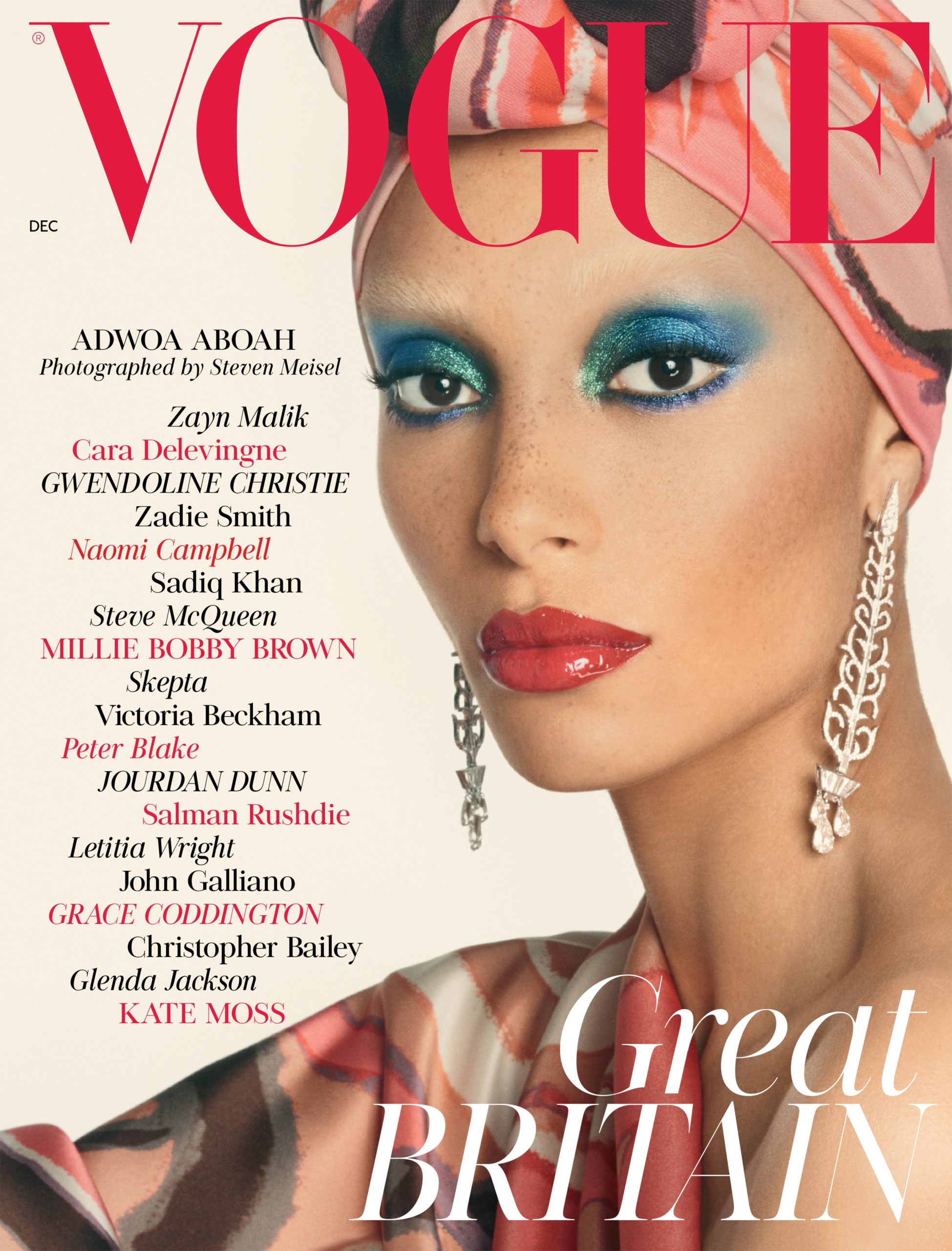
Vouge really is the most famous British fashion publication. You can find other Condé Nast magazines with consent to contact such as House & Garden, LOVE, GQ, and Glamour in the UK curated lists.

Wallpaper*

Wallpaper* is a design and style magazine that pushes creative territories and covers everything from architecture to motoring, fashion to travel, interiors to jewelry.

i-D

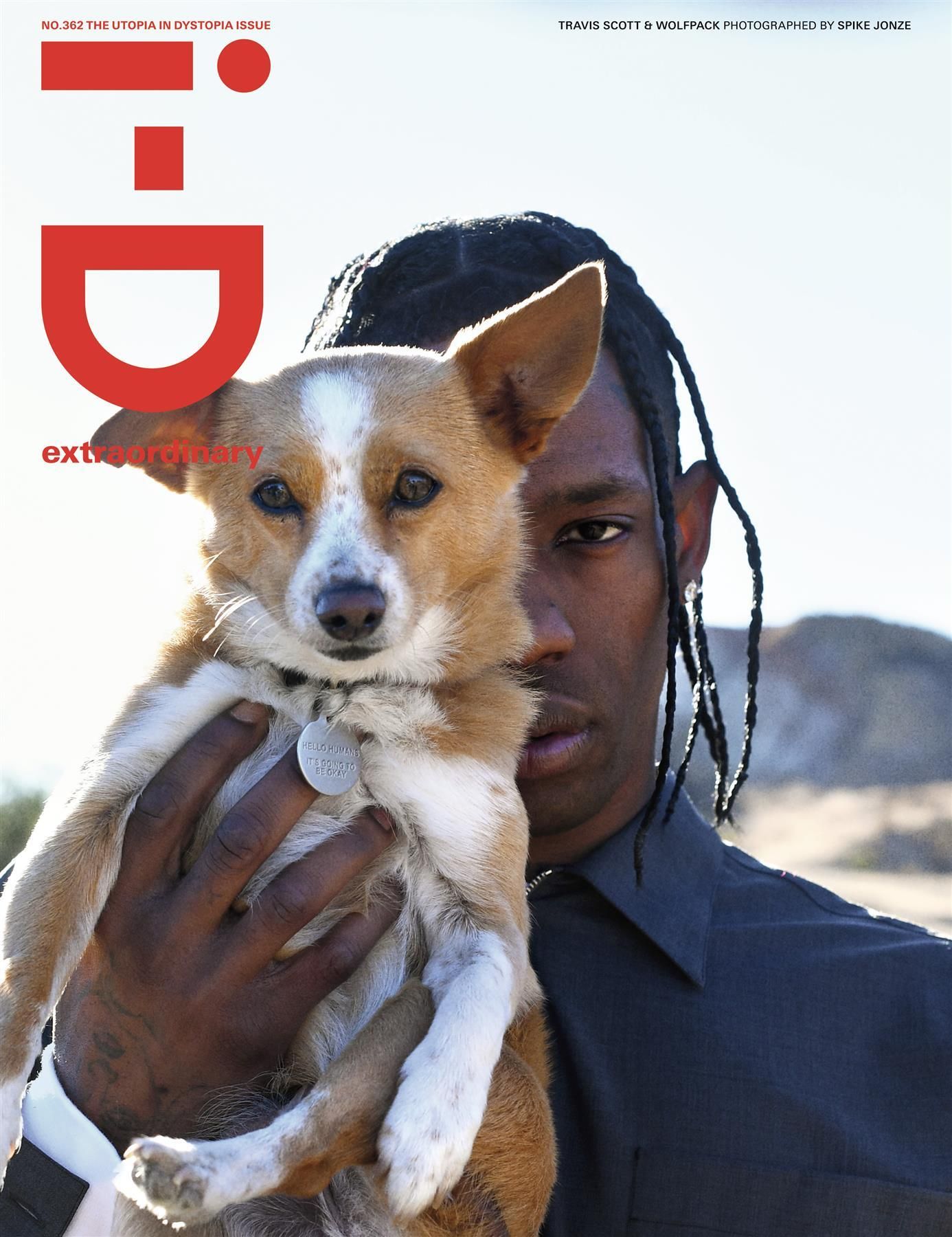
i-D is dedicated to fashion, music, art, and youth culture, founded by designer and former Vogue art director Terry Jones in 1980.


Meet some of the editors

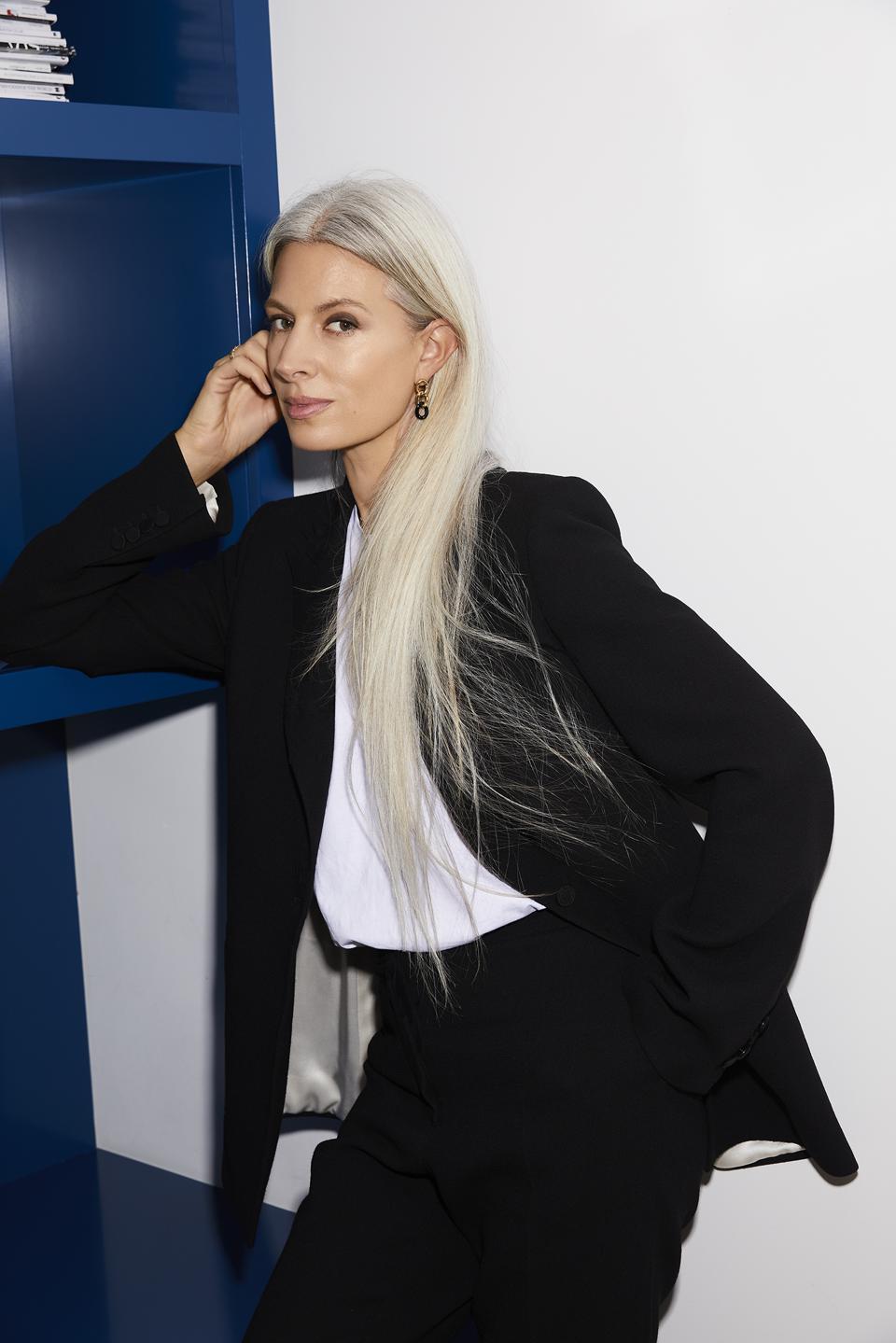
Sarah Harris

Sarah Harris is the deputy editor and fashion features director at British Vogue. She reports on current affairs, women’s interests, and fashion.


Dylan Jones

Dylan Jones OBE is the Editor-in-Chief of British GQ, GQ Style, and GQ.com. He is also a Chairman of London Fashion Week Men’s, as well as a Hay Festival Trustee. 


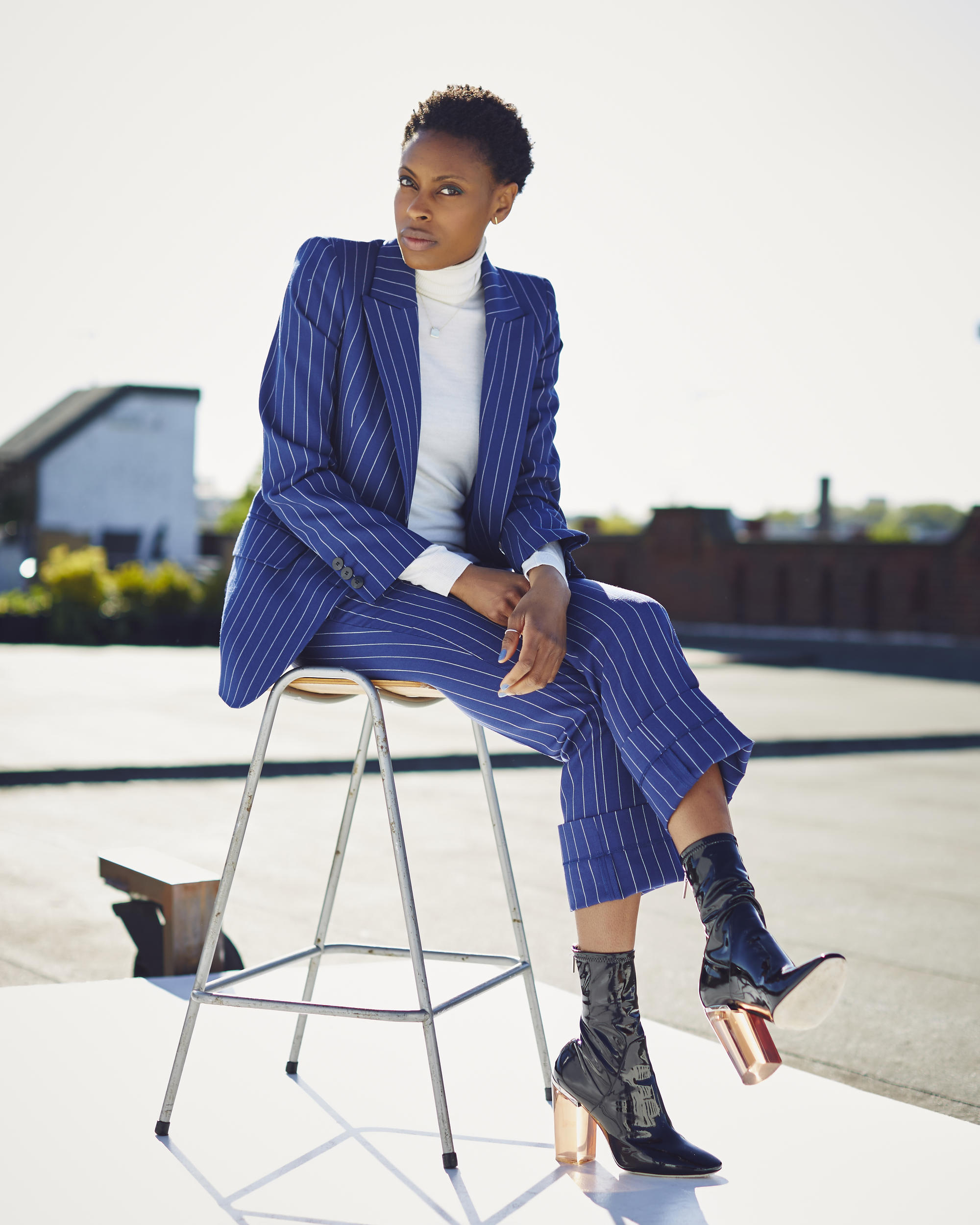
Donna Wallace

Donna Wallace is the fashion and accessories editor at British Vogue and was previously accessories editor at Elle UK.


To get access to the UK curated lists of these Magazines, Influencers, Architects, Editors-in-chief, Editors, and more:


Georgina is the UK Market Coordinator at VOCAST, responsible for British fashion and lifestyle research. Along with her work at VOCAST and studies at Copenhagen Business School, she is passionate about conscious fashion reform in the industry. 


SIGN UP TO OUR NEWSLETTER

Get free knowledge on how to optimize your B2B marketing & new product releases.

RELATED POSTS

Få succes med influencer marketing som offentlig instans

Få succes med influencer marketing som offentlig instans

Influencer marketing er en branche i vækst, og mange virksomheder bruger det i kommercielle sammenhænge til at kommunikere ud til en specifik målgruppe med et bestemt budskab. Men vidste du, at offentlige instanser også kan have gavn af det f.eks. i form af en...
The US: Why and how to conquer the lifestyle market

The US: Why and how to conquer the lifestyle market

The US: Why and how to conquer the lifestyle market

The United States is home to much of the biggest and best the world has to offer, no matter what industry you turn to. American culture is hugely impactful and one that most of us know and have some sort of relationship with. Whether it be through, sports, business, food, entertainment, fashion, design, or anything in between.

The US fashion market employs nearly 2 million people and earns a market revenue of over 400 billion dollars. And although the home interior market is somewhat smaller its market revenue ranks up to almost 15 billion dollars, with around 140 thousand employees. This clearly illustrates the American spirit that is, at its core, entrepreneurial and eternally optimistic. Because of the markets’ prominent relevance, VOCAST has been curating lists for the lifestyle sector for years. Since it is a large and greatly impactful market, it can be useful to learn more about how to navigate it. Here is why and how you should conquer the US lifestyle market:

They see it, they like it, they want it, they get it

The “Americanness” of being social, open, and optimistic constitutes not only the personality of the population but trickles down to businesses as well. American fashion and design lives without fear, the market is open to and hungry for what’s new and fresh and wants to get in on whatever that may be. Reluctance does not take the lead here.

Americans love all things new, exciting, and fresh and are not shy about it. Rather than avoiding change, they are at the forefront of embracing and pioneering new ideas and technology.

This can be seen through the innovative ways e-commerce has evolved and how platforms of great importance to the design industries, such as Instagram constantly improve to allow direct and open communication with and to consumers. However, this thinking also applies to Americans’ curiosity about and desire to discover new brands and trends as well. 

Although the US market is not one to exude minimalistic traits, American brands are forward-thinking and open to change. In recent years, there has been a growing interest in simplified living, and consumers and fashion designers alike have gravitated a lot towards Scandinavian concepts and nordic culture.

A couple of years ago Off-White’s Virgil Abloh collaborated with Ikea, to put his streetwear touch onto products like a special-edition bag and rug collection for the brand. And retailers increasingly put scandi brands on their shelves, demonstrating Americans’ openness and willingness to get in on what is new and interesting to them. 

Approach with a smile and some sensitivity

As the US is a big market and one that is both busy and heavily sought after to reach, it can be slightly difficult to get through here. As said, it is a social and open population appreciative of the friendly approach. However, when it comes to business they do not mess around and want to know what they will get and can expect.

Therefore, it is best to be clear and direct when approaching them (although in a way that is not too full-on and overwhelming) in order to get an answer. Aside from it being a big and busy market, getting and keeping in contact with industry people requires a bit of dedication and delicacy.

Not only taking the pandemic into account, but the political climate heavily affects Americans and requires sensitivity to timing, etc when approaching. It may take some time to reach them but they are very keen on getting to know what’s new and once they have caught an interest, they are not shy about sharing their eagerness and defining what they want and expect.

Home to cultural significance and impact

Americans are known to be quite patriotic, however, many brands are forward-thinking and open to change and for the past couple of seasons the US has embraced showcasing its goods on a global stage. Many brands have moved from being locally bound to its unofficial capital, New York City, and ventured out into other fashion and design capitals.

The flexibility of location has been quite the strategic decision when wanting to grow in a new market. And since the pandemic has forced much to go on without physical events, a lot of activity has moved to become digital as well. For the coming fashion season, however, many heavyweight names in American fashion are returning to New York, reviving the relevance and importance of holding events in the city. Because it is, at the end of the day, a city of great importance.

As it is home to some of the most influential voices in the fashion industry – from buyers to editors and influencers. Launching in the US can be a huge opportunity for a brand not yet known in the industry (or on the market) to be heard and seen by the top tier and get the chance to elevate the brands’ career.

Aside from being a central place for design and fashion events, the US is a hub of vibrant culture and constant evolution. That means its locals have a deep understanding of it and see its significance – therefore, they also demand and require brands to uphold a certain level when it comes to diversity and inclusion.

Things such as hip-hop, rap, and Vogue-ing, that contemporary luxury brands now draw inspiration from originated in the US, and brought what are now commonplace trends such as sportswear, sneakers, t-shirts, and denim to the limelight. This pinpoints the importance of American culture and the undoubted significance it carries. As the influences of America work with great speed in impacting consumers, brands have to create and withhold a strong identity that will sustain over time to keep consumers intrigued.

Get acquainted with the US media landscape

Included in VOCAST’s US curated lists

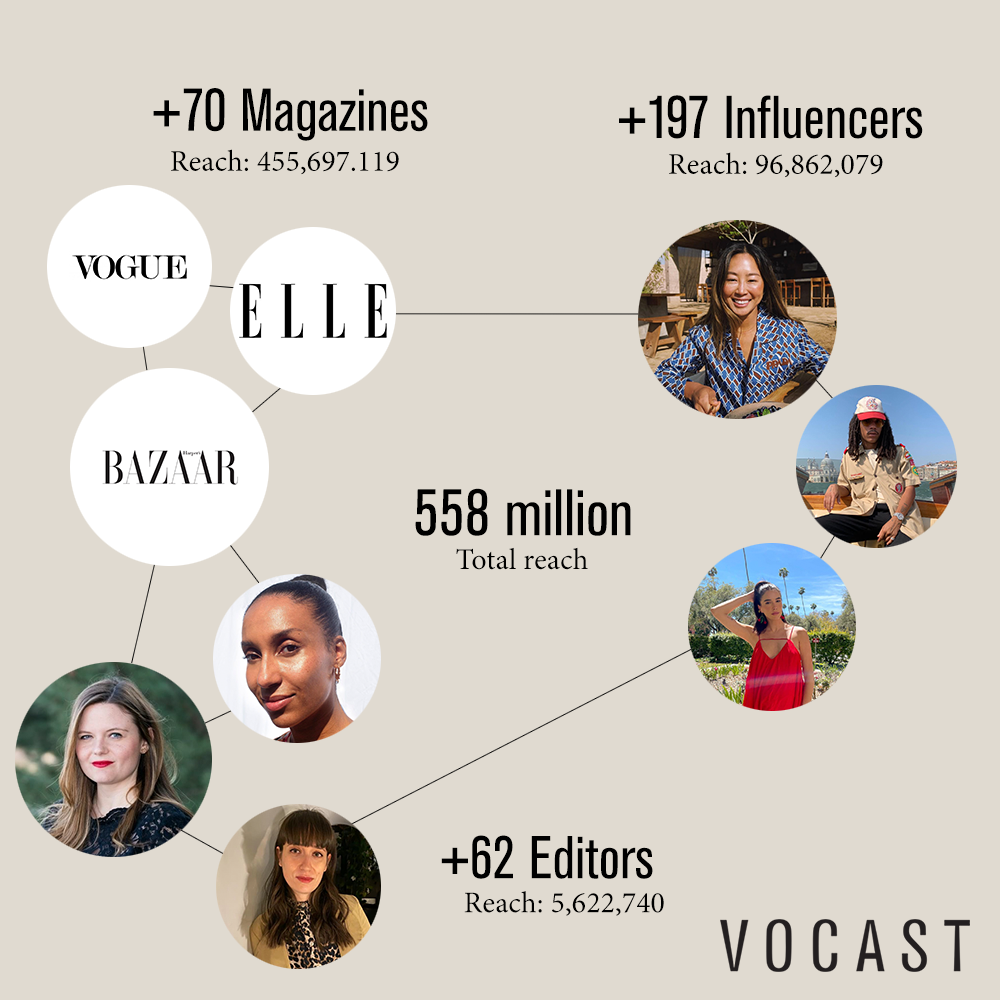
Fashion Media Landscape

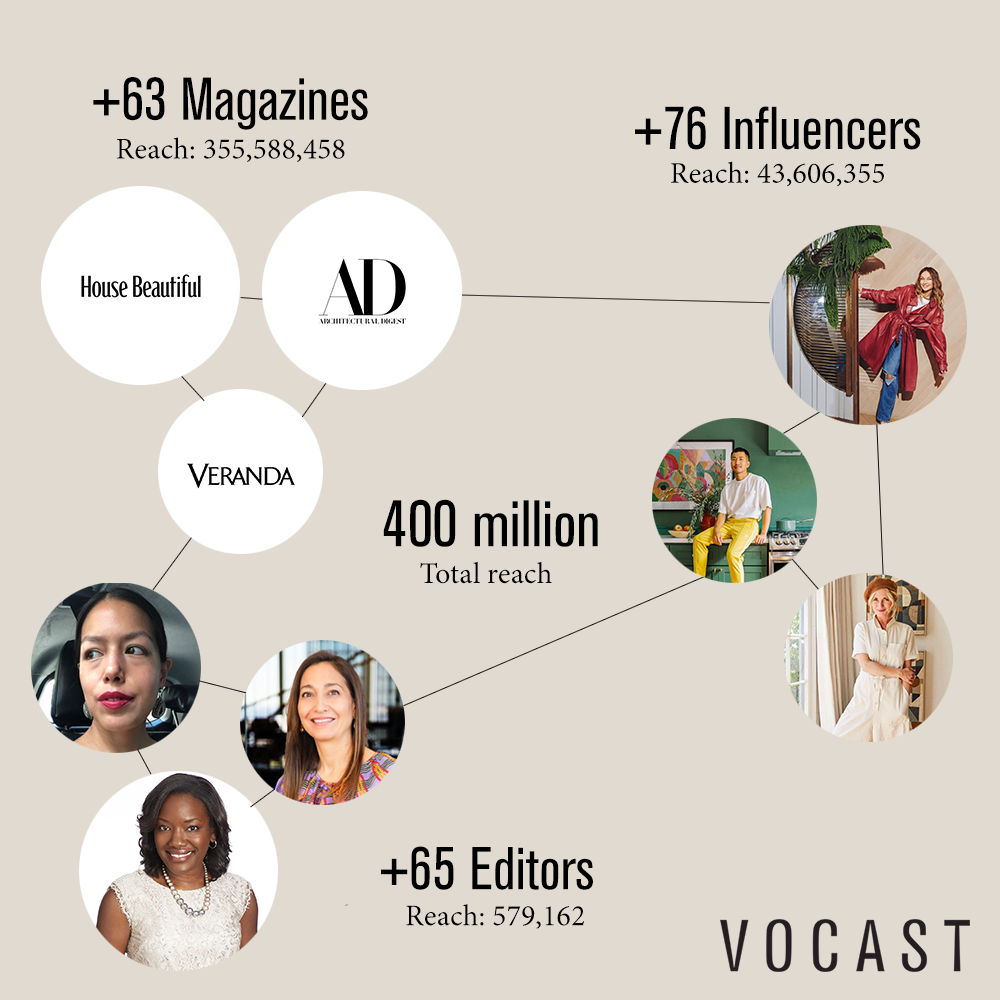
Home Interior Media Landscape

A rich influencer scene

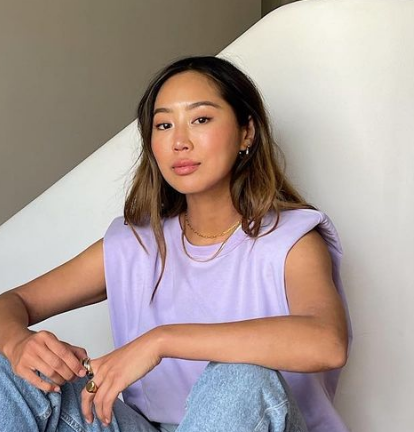
The US is noticeably a huge market with a large impact. What gets trending here often starts trending globally as it quickly spreads to many corners of the world. Many of the most well-known, followed, and sought-after influencers across social platforms are American.   Aimee Song is one of the biggest US fashion influencers with over 6 million followers across her channels, acquainted by Brittany Xavier and Luka Sabbat who also have follower counts in the millions. They are some, in a pool of many, global IT people available to reach through the US curated lists. 

Aimee Song

Aimee Song is one of the US most well-known fashion influencers, with over 6 million followers across platforms, a spot on Forbes 30 under 30 list and a flourishing fashion brand she shares her everyday life with dedicated followers.

Brittany Xavier

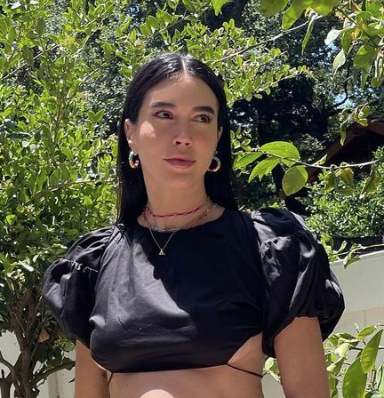
Brittany Xavier is a California native and entrepreneur who shares her style and family life with her over 1.7 million Instagram followers daily.


Luka Sabbat

Luka Sabbat is the ultimate cool guy everyone in the industry knows. If not for his impeccable style, then for his multifaceted creativity spanning through the arts and fashion.


Alani Figueroa

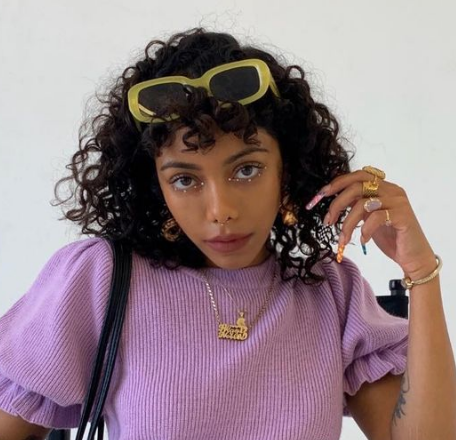
Alani “wuzg00d” Figueroa is a colorful, Brooklyn-based trendsetter with 432K followers on Instagram. Known for her edgy street style, hosting BET’s ‘Colorways & Toeboxes’ and being an advocate for women’s empowerment in the stereotypically male-dominated streetwear scene.


Print and Online Publications

Americans love their billboards and campaigns as much as well-worked editorials and there is still a lot of prestige in managing to achieve a feature in a big American publication, making editorial press very valuable. Available through the US curated lists are many fashion and design publications that reach hundreds of millions

Fashion Magazines

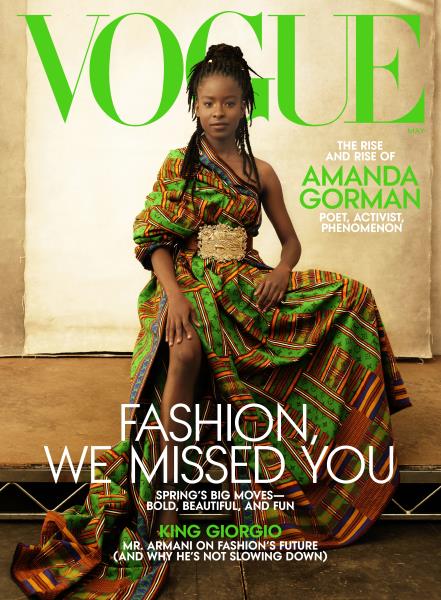
The US houses some of the largest, commercially successful fashion magazines out there, VOGUE being one of the main ones, next to others of great impact such as ELLE, Harper’s Bazaar, GQ, and Allure to name a few.


Home Interior Magazines

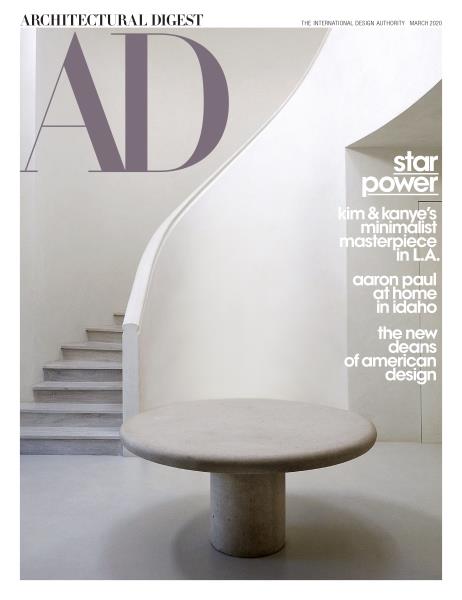
Though the design and the interior market are slimmer, American design magazines act as the worldwide guide to architects, designers, and decorators that wish to be on the top. You can find publications holding great relevance such as Architectural Digest, Elle Decoration, Veranda and House Beautiful alongside many others on our US curated lists.

Meet some of the editors

Chioma Nnadi

Chioma Nnadi is the editor of Vogue.com. She got her start at the features desk of the Evening Standard Magazine in London and landed at Vogue as a fashion writer in 2010 and later became the Fashion News Director, until recently, when she was appointed to oversee all of Vogue’s digital content.

Alison Cohn

Alison Cohn is the Deputy Fashion News Editor of Harper’s Bazaar

Vanessa Lawrence

Vanessa Lawrence is the Senior Editor at ELLE Decor where she writes about home, design, style and the arts. Before this she was a staff writer and editor covering fashion, society, culture, art and beauty at W Magazine and WWD.


To get access to the US curated lists of these Magazines, Influencers, Architects, Editor-in-chiefs, Editors, and more


Cerena is the Lifestyle Researcher for the US market at VOCAST. She has a degree in Media and Communications and has previously worked with fashion PR. She cares for inclusion within the industry and when not working she’s a dedicated snacker and music listener.


SIGN UP TO OUR NEWSLETTER

Get free knowledge on how to optimize your B2B marketing & new product releases.

RELATED POSTS

Få succes med influencer marketing som offentlig instans

Få succes med influencer marketing som offentlig instans

Influencer marketing er en branche i vækst, og mange virksomheder bruger det i kommercielle sammenhænge til at kommunikere ud til en specifik målgruppe med et bestemt budskab. Men vidste du, at offentlige instanser også kan have gavn af det f.eks. i form af en...

Germany: Why and how to conquer the lifestyle market

Germany: Why and how to conquer the lifestyle market

Germany: Why and how to conquer the lifestyle market

VOCAST has been curating lists for the German Fashion and Home Interior sectors for many years now. Due to the high relevance of the German Market for all brands in both segments, we hosted webinars for you to learn more about the potential of Germany and how to unlock this large market as a company. Germans value craftsmanship, sustainability, transparency, and quality. They will buy into a company more than solely a product, which is why Scandinavian lifestyle brands have been very successful within the German market for quite some time now.
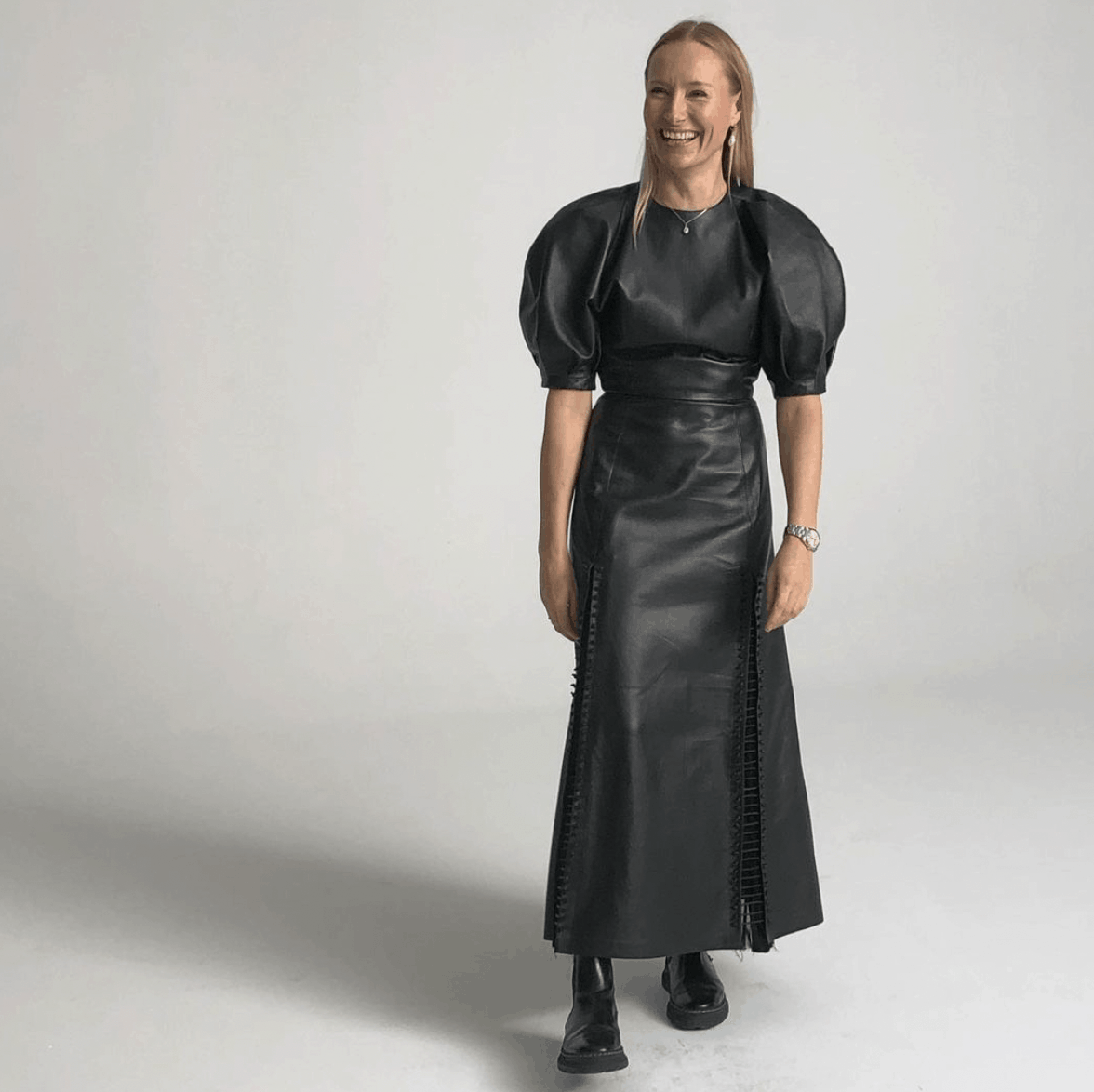
Find a recap of important things to know about the market. Here is why and how you should go about conquering the German Lifestyle Market:


“Berlin is home to the dense concentration of fashion businesses in Germany. With approximately 3100 companies and 25400 people employed, Berlin is Germany’s Fashion capital!”

German efficiency is not only a cliché

German efficiency is a phenomenon based on the truth! It is a cliché we Germans are proud of and an image we like to continue to portray to others. For you, this does mean extra work though! German people expect you to reciprocate the level of efficiency when working. If there’s anything you want or need attending to, it is expected of you to do so in an efficient manner. Have all your facts straight, and know what you need to when approaching someone. Knowledge within a subject matter is absolutely vital. No one wants to be wasting anyone’s precious time, so ensure that you are being thorough. This also goes for punctuality. When meeting someone in person, make sure to be a few minutes early…Germans don’t like waiting!

Being direct yet polite is the key

Germans are known to be direct and blunt, but being polite is key! They might not reciprocate the kindness if you catch them on a bad day, but hey no one is perfect! If you want something, don’t hesitate to ask! Being direct is preferred, don’t waste anyone’s time! The German standard for politeness and etiquette is slightly different from some other countries. When addressing someone with “you” in German there are multiple forms. “Du” and “Sie”. When speaking to someone you don’t know, you should always address them with the “Sie” form and their last name, especially when having E-mail contact. You can switch to a first name and “du” basis when they invite you to do so! If you’re unsure of how to speak to someone always choose the more formal version, just in case!

Consistence, Practicality and Budgets

German people are known to be easily recognizable on any vacation and as much as that construct is a cliché it is based on facts. Comfort and practicality are elements highly valued by the German consumer. Paired with the love of things being easy, efficient, and consistent and the ability but not desire to invest a lot of money, the German spending culture may seem different to other markets.​


Get acquainted with the German media landscape

Included in VOCAST’s German curated lists


A rich influencer scene

Germany is obviously a very large market, with over 83 million people inhabiting the European country. When it comes to influencers there are an endless amount of digital creators. Whether known on Instagram, Youtube, or more recently, TikTok, German influencers are present on various social media platforms with the ability to reach a large group of people. This makes influencer marketing essential for brands wanting to gain traction within the German market.

Stefanie Giesinger is one of the most well-known German Fashion Influencers with nearly 4 Million followers on Instagram, followed by Leonie Hanne, Caro Daur, and Xenia Adonts, all of which can be found in our Top 10 Fashion Advocates list, with consent, ready to be contacted. These prominent, globally known influencers only make up three of the many relevant influencers. With brands working with different aesthetics, brand values, and products, there are countless micro as well as macro-influencers.

Stefanie Giesinger

One of Germany’s influencers with the highest following on Instagram, Stefanie Giesinger has 3.9M followers and takes her followers on a daily journey of fashion, travel and more.

Anuthida Ploypetch

Anuthida is an influencer with over 421k followers on Instagram. She is based in Berlin and has a very edgy style, which is well-known in the city!


Daniela Schinke - Wunderblumen

Daniela Schinke is the face behind the popular interior account @wunderblumen. The colourful and tasteful interior profile attracted over 147k profiles following Daniela’s home.


Julia Ballmaier - My home is my horst

Julia is the face behind “My home is my horst”. She is an interior blogger, stylist, author and mother with over 11k people following her design journey.


Print and Online Publications

Berlin may be the Fashion capital of Germany but the large publishing houses such as Condé Nast and Burda Media are based in Munich. The high fashion and commercial magazines are predominantly based in Munich and Hamburg with Berlin housing more quirky and individual magazines, which are not owned by big media corporations.

With 60+ magazines online publications solely in the fashion segment, brands have the ability to make informed decisions on where they see brand features to be most relevant and have the luxury to select the best matches for them and still saturate the market with content. Discover a few of the many publications you have access to through the German Curated Lists below!

Fashion Magazines

There are many commercially known magazines like VOGUE, ELLE, Harpers Bazaar, Cosmopolitan and more in Germany.

Fashion Magazines

The more edgy publications are produced on a much smaller scale but with just as much impact! Discover magazines such as 032c or INDIE on the German Curated lists now and learn more about the Berlin-based publications.

Home Interior Magazines

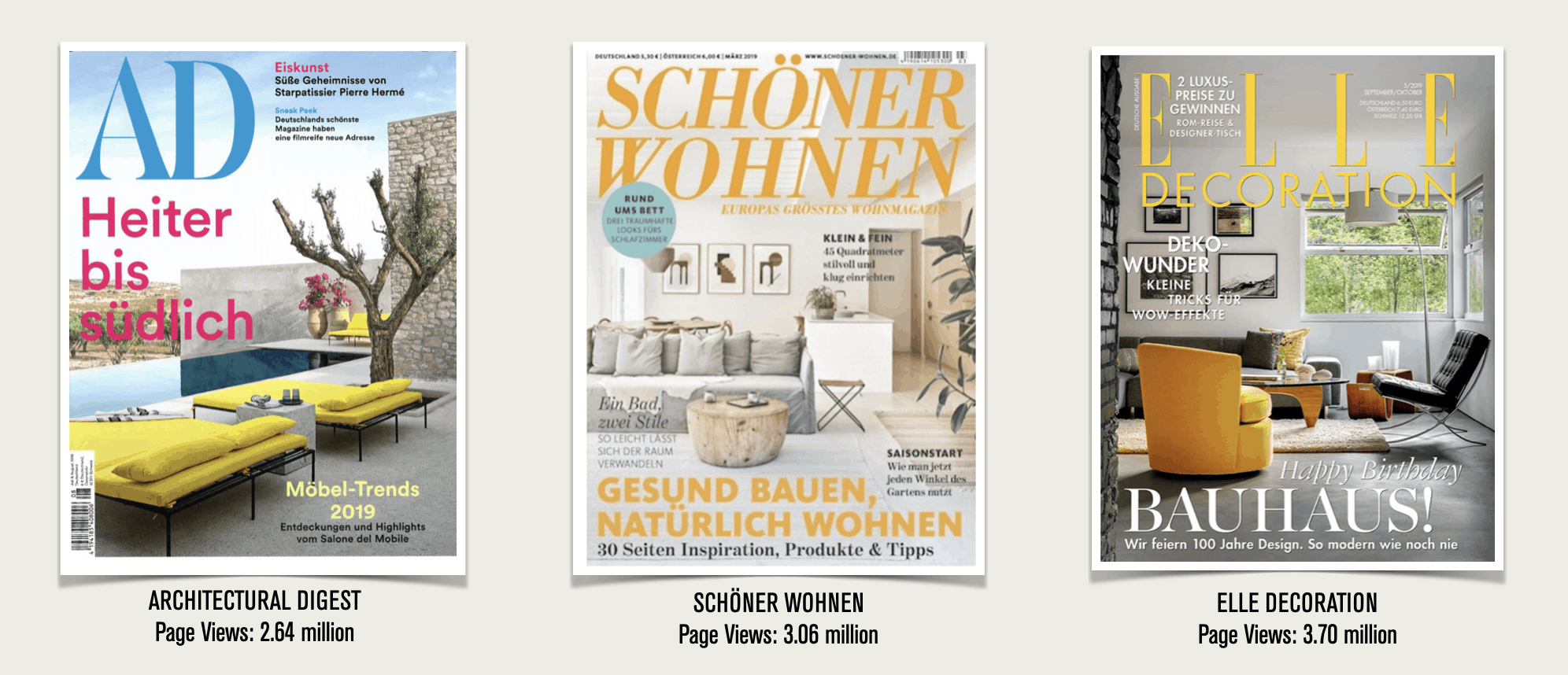
From Architectural Digest to Elle Decoration, Germany has its own version of all the known publications as well as its own successful publications such as Schöner Wohnen.
Find the magazines on our curated lists alongside many others.


Meet some of the editors

Kerstin Weng

Kerstin Weng is the Editor-in-Chief at InStyle Germany and has been since 2016, before then she had the role of Editor-in-Chief at Cosmopolitan Germany.


Alexandra Link

Alexandra is the Deputy Editor-in-Chief Digital at ELLE & Harper’s BAZAAR Germany & Esquire.


Stefanie Bärwald

Stefanie Bärwald is the interior design editor at Schöner Wohnen magazine and more recently also for the new publication Guido’s Deko Queen.


Andreas Lichtenstein

Andreas Lichtenstein is the deputy editor-in-chief and creative director at Living at Home magazine.


To get access to the German curated lists of these Magazines, Influencers, Architects, Editor-in-chiefs, Editors, and more


Isabelle is the German Market Coordinator, responsible for the fashion and lifestyle research and coordination within the German market. She has a degree in Fashion Promotion and works as a Copywriter at a creative agency alongside her work at VOCAST.


SIGN UP TO OUR NEWSLETTER

Get free knowledge on how to optimize your B2B marketing & new product releases.

RELATED POSTS

Få succes med influencer marketing som offentlig instans

Få succes med influencer marketing som offentlig instans

Influencer marketing er en branche i vækst, og mange virksomheder bruger det i kommercielle sammenhænge til at kommunikere ud til en specifik målgruppe med et bestemt budskab. Men vidste du, at offentlige instanser også kan have gavn af det f.eks. i form af en...

Up & Coming Influencers: community curators & social shifters

Up & Coming Influencers: community curators & social shifters

Up & Coming Influencers: community curators & social shifters

Up and coming influencers, otherwise known as micro-influencers, are without a doubt one of the most exciting demographics on social media in the eyes of any lifestyle brand. Micro-influencers are usually defined by having a humble number of followers whilst having a very strong engagement and conversion on their SoMe platforms – meaning that they have a measurable level of trust with their audience. This niché group of influencers are golden to marketing strategies.

Community Curators

A community influencer, in the most literal sense, is an individual who impacts the lives, decisions, and habits of those in their close vicinity. When it comes to social media this vicinity may not have global bounds, but a community it is nonetheless and micro-influencers play a vital role in SoMe communities. Oftentimes, they are connected in real life to other micro-influencers in their city or industry, and together they have an immense impact on the livelihood of consumerism within the community that they are not only a part of and are helping to shape. 

Whether it be within fashion or home interior, brands can utilize this method of marketing to their advantage by targeting the exact group of consumers they want – be it a community of Copenhagen city-girls who are sustainable in their fashion purchases, or a global community of home interior lovers who are obsessed with pastel color pallets. The amazing thing about up and coming influencers in any given market is that they curate content for the community that they themselves are a part of. So they know who they’re talking to and how to get the job done when creating content with your brand!

Social Shifters

As influential community curators within the lifestyle industry, up and coming influencers also have the power to enact real social change. A micro-influencer is not just a marketing tool, they are a talented content creator who is great at what they do because they know how to connect with their audience from a place of trust and honesty – whilst telling visually beautiful stories of course! As Gen-Z gets older, and the purchasing power of this generation grows, the market will have to adapt to them. According to Forbes:

“today’s consumers, particularly younger demographics, are looking for brands who care about connecting with consumers through authentic, nontraditional representation.

It’s particularly critical for brands to make diversity a priority in their influencer outreach because of how influencer marketing works. Audiences are drawn to influencer marketing because of its relatability. Influencer marketing works best when it comes from a place of authenticity and audiences can relate to what’s being shared.” 

The pool of micro-influencers is more diverse in comparison compared to macro-influencers and that’s what’s so rich about them. By working with micro-influencers, brands can reach so many different consumer profiles. Society and its values are constantly changing, and studies show how younger consumers are not only more engaged in social media marketing, but the influencers that they tend to follow are more diverse and socially aware, as found in a study reported by Marketing Dive:​


  • Almost half (44%) of Generation Z has made a purchase decision based on a recommendation from a social influencer, compared with 26% of the general population.
  • 36% of influencer-following consumers saying they follow a more diverse group of influencers than they did before the protests against racial inequality started in the summer.
  • 65% of consumers saying they would stop following an influencer who says or does something that doesn’t align with their personal ethics and values.
  • 32% of respondents saying they had purchased more products/services from businesses that are endorsed by influencers from different racial and cultural backgrounds.

On The Rise

Up and coming influencers are, as the name suggests, always on the rise. This means that an influencer who is rising in the Danish home interior sector today may be a top advocate within the industry by next year. The interesting thing about these influencers is that by working with them now, as they are still classed as “micro”, your brand will have access to communities that have great engagement and conversation rates from SoMe marketing and who really trust the influencer you’ve partnered with.

Hence, linking your brand to that concept of authenticity in the eyes of these communities. Moreover, as they become “macro” influencers, your brand will be associated with a content creator who can grow from a position of consumer trust and social significance. You can read even more about the ins and outs of influencer marketing in our article Influencer Marketing: An ever-changing industry that is here to stay.

Industry Insight

We spoke to Alessandra Giffuni, The Founder of The Talent Lab, to hear her expert insight on what makes an up and coming influencer exciting for brands and why you should actively be working and co-creating with them.

Alessandra Giffuni is an entrepreneur based out of Milan. A creative at heart, she is passionate about marketing, education, and real-world experiences as a means of learning.

She was first introduced to the fashion industry while pursuing her Master’s Degree in Marketing in Milan, Italy, which eventually led her to co-found Global Fashion Travels, an educational travel experiences company that brings the New York and Milan fashion worlds to entrepreneurs and university students across different programs.

In 2020, she founded and currently leads The Talent Lab, a global influencer marketing agency that operates between Milan and Miami. The Talent Lab exclusively represents over 30 talented influencers and content creators across different markets and works with the world’s most renowned brands and conglomerates in influencer marketing campaigns.

In your opinion, what would you class as an up and coming influencer?

Within the Italian market specifically, I would say it’s between 20 to 60 thousand followers, in our agency we would define them as micro-influencers. We see a lot of them emerging more and more with really professional content, often the same level of content as the more macro talents we have.

There is also a big trend, especially, with talents that are considered part of a minority that has been underrepresented in the marketing industry, they are finally emerging on a larger scale, which means the overall population is recognizing them as part of mainstream culture. They tended to have smaller numbers in terms of followers and, right now, they have a big role so brands have shifted their attention to these types of profiles too to make a more diverse representation happen. With this, I’m talking more about Europe, in the US, although not perfect, it had already started. There is a focus on inclusivity and representing the diversity of a country in marketing initiatives which wasn’t really there before in the way it is now.

This is just one of a few reasons, though; micro-influencers tend to have a closer relationship to their community and their engagement is higher, so if a brand would like to reach really specific segments, for example, if they’re advertising locally, it makes sense if they’re working with a local talent that will reach the exact community that they want. Micro-influencers here (The Talent Lab) have a high engagement, close ties to their community, high conversion rates – these are the main characteristics. But yes, we see brands becoming more and more inclusive, so that’s really great and a good direction.


Do you think that this social activation towards diversity in marketing comes from brands’ initiatives driven by events we’re watching in the news, or rather brands looking to what competitors are doing?

Or, is it a natural trend being pushed on social media by young people following different types of profiles?

It’s all of the above. It’s something that was bound to happen and should have happened earlier in my opinion and I’m very happy to see that this is finally going on. Of course, every market in Europe is different and some markets were ahead of this social change already, for example, France. Here (Italy) it was a pretty big change.

From last year to this year, we saw a huge shift in attention, with Black Lives Matter playing an important role. I think what happened at the beginning of the pandemic really shifted the perception of people in general. Then, when the market demands something brands pay attention – and I think it’s a must that brands pay attention. Maybe some did it because they had to, it’s a learning curve for everyone, but some did it because they understood it and are genuine about it.

In general, though it was bound to happen and, as I said, it happened too late in my opinion. It is also definitely related to Gen-Z – they’re more activists than us millennials! They absolutely care about social change and it’s a very interesting generation. As generations get older and have more purchasing power brands will listen, and some US data shows that the highest conversion rate that social media can have is with Gen-Z.


So with this in mind, if we think about numbers and performance, how do you tell if a micro-influencer is up and coming and therefore worth watching out for?

If they grow really fast that’s a good indicator. Especially if we are talking about Instagram, because growing isn’t as easy as it was a few years ago. So, if a talent or content creator is growing a lot it’s a great indicator that they have a great engagement and they are creating content that has been found interesting enough that it’s allowing this growth. With YouTube it’s pretty steady, you don’t really go viral overnight, it’s pretty rare – unlike Tik Tok, where we currently can witness talents going viral overnight. 


Then would you say that there’s a correlation between the time taken to create content and the growth rates of influencers?

I don’t think necessarily. Certainly, a good portion of really good content may take a long time to develop. For example, Tik Tok can take a very long time to record, especially if it requires a lot of transitions because then it becomes a whole process. It’s just more the style of Tik Tok is very relaxed, you can be in your sweat pants and in your living room, so it may look like it did not take too long to create but it actually did! Whereas Instagram tends to be glossy.

YouTube usually requires a whole production. Many creators choose a studio set up to create quality content. YouTubers we manage use studios and some of them edit all of their own videos so they really need to have entertainment skills and technical skills. It’s really time-consuming to keep the platform updated. The quality of content is a big driver, but it’s really the relevance that’s another huge driver. It’s who you’re speaking to and if the content is relevant within the platform.


So what would your advice be to brands wanting to collaborate with micro-influencers perhaps rather than macro-influencers – particularly when it comes to different marketing initiatives and storytelling ideas?

I’m not advising to do either or, it really depends on what the specific brand wants to do. For instance, if you want to advertise more locally or to a specific community then you’re probably better off reaching that community with micro-influencers. At the same time, you have to have a lot more points of contact to reach the same amount of people, maybe you need 10 micro-influencers to reach the same amount of people as you would have reached with one macro talent with a good engagement. Also, the consistency of working with one talent versus 10 means that the storytelling of that brand is more “under control”.

A key part of influencer marketing is that talents communicate in their own style and the more talents a brand works with the more differences there will be in how the brand story is told, so it just depends on what needs to be achieved. I think actually working with both micro and macro talents is the better strategy based on the marketing initiative. We do work with both types of talent and we get great results with both – it’s all about your approach and your objective.

I also think it’s great for brands to experiment as well, and see how an activation may differ with different types of talents implementing it. Talents all have their own way of communicating that will reach their community in a way that is relevant for them. Giving them the freedom to do that is going to give really good results and I think brands can, and should, experiment to learn what works best for their objectives – they can get so many valuable insights from letting different talents do their thing!

Marketing is a science but also a form of art. Something can work once and you can do it repeatedly but it’s eventually going to get boring and it won’t be relevant anymore. Yet you do need to be continuous – you need continuity to get exponential results so by collaborating multiple times with the same talent you get a fuller picture of what story is being told. But, continuity also means continuously trying new things, and then also bringing back from the past when there’s relevance again.

In other words, marketing never stops. I don’t think it’s so much about reinventing the wheel, I just think we need to be relevant at the appropriate time and to achieve that, you need to be consistent.


Georgina is the UK Market Coordinator at VOCAST, responsible for British fashion and lifestyle research. Along with her work at VOCAST and studies at Copenhagen Business School, she is passionate about conscious fashion reform in the industry.

SIGN UP TO OUR NEWSLETTER

Get free knowledge on how to optimize your B2B marketing & new product releases.

RELATED POSTS

Få succes med influencer marketing som offentlig instans

Få succes med influencer marketing som offentlig instans

Influencer marketing er en branche i vækst, og mange virksomheder bruger det i kommercielle sammenhænge til at kommunikere ud til en specifik målgruppe med et bestemt budskab. Men vidste du, at offentlige instanser også kan have gavn af det f.eks. i form af en...

Lockdown 2021 Update: Scandinavia, Europe and the US

Lockdown 2021 Update: Scandinavia, Europe and the US

Lockdown 2021 Update: Scandinavia, Europe and the US

As we enter the festive period and this year draws to an end, every country around the globe has been dealing with their markets differently. Insider knowledge from various markets about the ins and outs of the current lockdown status is useful information to have to keep international businesses running as smoothly as possible.

How are different markets operating as the year draws to a close?


What are the current travel regulations in different markets? 


How can you best get in touch with the press and influencers?


What are retail regulations as holiday shopping comensenes?

The Lifestyle Team at VOCAST is made up of native researchers, with specific knowledge about what is happening across international markets. These questions will all be answered below for markets in Scandinavia and Europe – along with quotes from fashion insiders. 

Here is an update on the lockdown status of our 10 markets, updated as of 06.12.2021

Lifestyle industry updates

Lifestyle industry updates from 10 markets – From Denmark to France, to Italy and Germany.

Do you want to know what office regulations are like or what the most efficient ways to get in touch with editors and journalists are right now? Are you looking to contact buyers and want to know the retail status of their market? These questions are answered for you below.

Navigate your way through these updates by clicking on the arrows or the dots: 1. Denmark 2. Sweden 3. Norway 4. France 5. Italy 6. Germany 7. The Netherlands 8. Belgium 9. The UK 10. The US

Denmark's December Update

Lockdown status: The country is open, but a few restrictions have been reimplemented. When going to a restaurant or bar you have to show a COVID-19 pass. At indoor gatherings of more than 200 people, or outdoor gatherings of more than 2000 people, you also have to show a COVID-19 pass. Facemasks are again mandatory in public transportation, stores, wholesale and indoor markets.

Travel advice: National COVID-19 restrictions were lifted in Denmark on the 10th of September, but current entry restrictions still apply. At the moment there is no test requirement before boarding an aircraft to Denmark, but you may be required to have a worthy purpose and show proof of negative COVID-19 test upon arrival in the country. Fully vaccinated people do not need to be tested before entry or upon arrival and their vaccine must be approved by the European Medicine Agency (EMA).

Working regulations: All employees in the lifestyle industry are working from their offices.

Press status: You can get in touch with media contacts via email or phone.

Retail status: All physical retail stores are open.

Fashion Week: Copenhagen Fashion Week has announced the dates for the upcoming 3 Fashion Weeks:

Week 5, 2022: Tuesday the 1st of February – Friday the 4th of February
Week 32, 2022: Tuesday the 9th of August – Friday the 12th of August
Week 5, 2023: Tuesday the 31st of January – Friday the 3rd of February

Sweden's December Update

Lockdown status: In September all restrictions and general guidelines were revoked since the majority of the population is vaccinated. However, with the Omicron variant spreading and general cases rising, vaccine passes are now required at major indoor events from December onwards. The government and Public Health Agency also stated that the previous regulations might be taken into effect soon if they deem it necessary to slow down the spread.

Travel advice: There is currently a ban on entry for unnecessary trips to Sweden from most countries outside the EU/EEA. The Public Health Agency also recommends those who have traveled outside of the Nordic region take a PCR test when returning to Sweden. In order to travel into Sweden, foreign nationals traveling from an EU/EEA country need to have an EU Covid certificate, a negative Covid-19 test no more than 72 hours old, or a certificate of recovery.

Working regulations: There are currently no work regulations or recommendations in place in Sweden, although the government and Public Health Agency announced they might start recommending people to work from home in the near future if cases rise. Some companies have held on to their decision of remote work until the end of 2021.

Press status: The press is very keen to meet, so why not take someone out for lunch and build a personal relationship with editors. Otherwise, connect via social media and reach out by email.

Retail status: Retail sales are almost back to a pre-pandemic stage with all physical stores open and back to regular opening hours.

Norway's December Update

Lockdown status: The Norwegian government lifted almost all restrictions in late September. However, during the last weeks of November, the health ministry has become concerned with increasing infection rates and the spread of the Omicron variant. Therefore, new restrictions were presented on November 29th: for people infected with the Omicron variant, a 7-day isolation day is required. For close contacts, a 10-day quarantine is required, with the possibility to end on the 7th day with a negative PCR test. It is mandatory for all close contacts to get a PCR test.

Travel advice: People that are fully vaccinated or have been infected with COVID-19 do not need to test or isolate upon arrival. The Ministry of Foreign Affairs removed advice against unnecessary travel outside the EU from October 1st. The country will apply stronger travel restrictions if necessary. Everyone (even the fully vaccinated) is obligated to take a quick test upon crossing the Norwegian border. Numerous large test stations have been installed at the country’s airport for that purpose.

Working regulations: There are no restrictions about working from home. You are advised to stay at home and get tested if you experience COVID-19 symptoms.

Press status: The press can be reached via email or phone.

Retail status: Stores are open on a national level.

France's December Update

Lockdown status: All public facilities, such as museums and bars, are still open but only accessible with a “Pass Sanitaire” (COVID-19 pass). Booster shots are now being offered to the population. From now on, PCR tests that are older than 24 hours will no longer be considered valid for the Pass Sanitaire.

Travel advice: Travellers can move freely in and out of the country, as long as they have a valid COVID-19 pass and are respectful of the rules that apply to the color codes of the countries. There are now new color codes due to the variant Omnicron.

Working regulations: Working from home is no longer recommended. However, most French workplaces have now made the Pass Sanitaire mandatory to access work.

Press status: The press can be reached through email or phone.

Retail status: All retail stores are open.

Fashion week: The fashion week in March and February is still scheduled to take place physically, but the COVID-19 pass is still expected to be mandatory. A more precise schedule will be released soon.

Italy's December Update

Lockdown status: The green pass will no longer allow access to “non-essential” services including leisure and cultural venues unless you are vaccinated against or recovered from COVID-19. Italian green passes issued based on a negative test result will still be valid for entry to workplaces as well as for “essential services”. Under the new “super green pass” rules, businesses will be able to remain open even if a region is declared a ‘yellow’ or ‘orange’ zone under Italy’s four-tiered system of restrictions.

Travel advice: In order to avoid quarantine, travelers can produce evidence of a completed vaccine cycle, recovery from the illness, or a negative test taken within the past 72 hours. A green pass is needed for domestic flights, train travel between regions as well as sea travel. Passengers coming from a country outside of the EU need to present both a negative PCR test and a certificate of vaccination or recovery from COVID-19.

Working regulations: Italians are going back to the office. In most cases, it is advised to work 2-3 days at the office and the rest at home. All workers are required to provide a green pass.

Press status: You can contact the press via email or phone.

Retail status: All stores are open.

Germany's December Update

Lockdown status: Germany’s situation changes as the incidence number increases. The states with the most infections such as Thüringen, Sachsen, Bavaria, and Baden-Würtemberg have closed bars, restaurants, and cinemas. A nationwide lockdown cannot be excluded anymore. Masks have to be worn all over the country (medical / FFP2).

Travel advice: In general, travel is allowed and they are no restrictions if you are vaccinated. Recently all travel from South Africa has been restricted due to the new omikron variant. For all other regions, a COVID-19 test is not necessary if proof of vaccination is valid. When entering Germany remember to fill out the digital registration, this is very important and will be checked when crossing the border.

Working regulations: The home office has become a vital part of companies work culture, but most employers have now welcomed their employees back to the office. However, with COVID hitting hard this winter again, employees are encouraged again to work the majority of their working hours from home.

Press status: It is best to contact the press via email.

Retail status: Physical retail stores are open and can only be entered when wearing a face mask (FFP2). The number of people allowed in a store could differ from state to state.

The Netherlands's December Update

Lockdown status: Besides the “basic rules” such as taking safe distances, washing hands, and the COVID-19 pass (coronatoegangsbewijs) that is required when accessing bars, restaurants, events, and cultural facilities, there are more restrictions now. You need to wear your mask in all public places again. All the non-essential places (restaurants, bars, shops, and cultural facilities) need to be closed at 17.00. Essential places (supermarkets and pharmacies) are staying open until 20.00. Moreover, everyone needs to work from home, unless your work requires you to be physically present. Furthermore, you are only allowed to have a maximum of four visitors at your home. On the 14th of December, the government will decide if more restrictions are needed for the following three weeks.

Travel advice: Travellers are allowed to travel in and out of the country, different rules may apply according to the countries travelers travel from.

Working regulations: Everyone needs to work from home unless you can only do your work physically.

Press Status: It is best to contact the press via email.

Retail Status: All stores and malls are still open but until 17.00.

Belgium's December Update

Lockdown status: In Belgium, masks are still required in all indoor spaces and you still need to show the COVID-19 pass in order to be able to access certain events, restaurants, and cafes. Since 26/11, there are some new restrictions. All nonessential places are only allowed to be open from 05.00 in the morning until 23.00 in the evening. Starting the 15th of December, the Belgian government will decide if more restrictions are needed.

Travel advice: Travelling in and out of Belgium is still allowed. Different requirements apply according to the color code map. Travelers still have to fill in a Passenger Locator form prior to entering Belgium.

Working regulations: Everyone needs to work from home unless the work requires to be physically present, Belgians are allowed to come to the office one day a week.

Press Status: It is best to contact the press via email.

Retail Status: All stores and malls are still open with limited capacity.

Fashion week: Antwerp fashion week is still scheduled on the 6th and 7th of February 2022.

The UK's December Update

Lockdown status: The UK’s nationwide lockdown is lifted. However, it is now mandatory to wear face masks whilst inside public spaces such as in shops or on public transport.

Travel advice: If you are fully vaccinated and arriving in the UK from a green or amber country, you do have to quarantine until you get your PCR test result on your second day of visiting.

Working regulations: Generally, most of the lifestyle industry is working from the office as normal.

Press status: It’s best to contact the press via email or phone.

Retail status: All retail, high street shops, and malls, are open and it is mandatory again to wear face masks throughout the UK or you may be fined.

Fashion Week: London Fashion Week took place in September, it was mostly physical with some digital events too. If you haven’t done so already, you can sign up to gain access to LFW’s press portal here.

The US's December Update

Lockdown status: The US has lifted restrictions across the country and new cases have been declining since last month. Due to the new Omicron variant, the US is expected to take measures to stop the spread, however, it is too soon to say what actions are needed, including possible mandates or lockdowns, says infectious disease official Dr. Anthony Fauci.

Travel advice: The US lifted travel restrictions for vaccinated international travelers from the U.K. and EU on November 8th. Unvaccinated inbound travelers, including U.S. citizens, have to show proof of a negative Covid test within one day of departure. Due to the Omicron variant, President Biden is restricting air travel from South Africa and seven other southern African countries starting Monday, November 29th.

Working regulations: Businesses are open across the country and people in the lifestyle industry are back in the office.

Press status: Retail sales are expected to rise 1.5%, up from September’s 0.7% gain, aided by rising gasoline prices and early holiday shopping, according to economists polled by Dow Jones.

Retail status: U.S. shoppers spent slightly less online during Black Friday this year, with many venturing back to physical stores despite coronavirus fears, tight supplies, and retailers’ efforts to encourage earlier holiday purchases.

Industry Insights

VOCAST’s Curators wanted to share their expert insights on their market, but also gathered exclusive quotes from journalists, influencers and industry experts. Curious to know how life in the lifestyle industry has been like since lockdown and how their work has changed? Swipe to have clearer grasp on the current market situation:

Denmark:

“Covid-19 has had both a positive and negative effect on the influencer profession. From one day to the other all ongoing campaigns were moved or cancelled along with my economic livelihood. The lockdown forcing people to stay at home with their smartphones being their primary source of entertainment let the industry into a massive growth with regard to engagement and followers – especially during the first lockdown. For that reason I see a great amount of unused potential for online marketing on social media, and especially with the use of influencers during the pandemic. Both to me and my collaborating partners, the lockdown was a huge scare and felt massive and infinite – and it has had a huge negative effect on my financial situation especially.” 

Marie Jedig, Fashion Influencer.

Denmark:

“Back in March 2020, when Denmark had its first lockdown, many of my clients rescheduled campaigns and some cancelled – I got a really huge campaign cancelled for the rest of the year. At that point I was a bit nervous and had thoughts about how I was going to make everything work if the lockdown remained. Luckily it all changed pretty fast – so I actually ended up having many campaigns for the rest of 2020. A positive view on the pandemic and the lockdowns that we have been through, is that it has been very nice to get a small break from all the things I am usually attending. Instead I have had the time to immerse in my work, create even better content and I have had a lot more time to be creative – which has brought me peace. With that said I do of course look forward to getting out to meetings, press days, events and fashion weeks again.” 

Karoline Dall, Fashion Influencer.

Sweden:

“In a world where we have looked more at functionality than aesthetics, there is still room for beautiful things. We will consume less and much more vintage or second hand.

Replacement consumption exists, of course, but selected, beautiful, strange objects still fit in our rational homes.” 

– Stefan Nilsson trend expert. (source)

Germany:

“With the lockdown here in Germany the Lifestyle and Communications industry is currently very tense. New, innovative, and disruptive formats within media need to be explored to get consumers and new audiences to pay attention. Now more than ever it is important for brands to think outside of the box within the industry.”

-Benjamin Schiffer PR manager in assistance at BAM BERLIN

The Netherlands:

“The tighter lockdown measures in the Netherlands didn’t go down without a fight as riots broke out all across the country when a new curfew was imposed. Stores were looted and retailers – that have been shut throughout the lockdown – took preventive measures to protect what they could. Meanwhile, everyone is asked to continue working from home and not to travel – not even by public transport unless absolutely necessary.”

– Wided Bouchrika – Benelux Lifestyle Researcher

Belgium:

“We got creative with quarantine shoots and styling vlogs during the first wave. After that, we started doing shoots again, but we need to stay flexible: one day you can book a make-up artist, the next the model needs to do her own make-up, part of the team can’t make it to Belgium or has to sit through quarantine. So calling the corona-hotline has become a big part of the job – which stayed pretty much the same, though without the fashion weeks, trips, events, and in-person interviews. I spend most of my time at home and on video calls.”

– Catherine Kosters, Writer & Fashion Editor at Flair.


VOCAST - the Brand Sharing Platform

This blog post was a collaborative effort written by our in-house team of curators, who are experts in identifying relevant influencers, as well as building email lists of important contacts for our fashion and home & interior brands.


SIGN UP TO OUR NEWSLETTER

Get free knowledge on how to optimize your B2B marketing & new product releases.

RELATED POSTS

Få succes med influencer marketing som offentlig instans

Få succes med influencer marketing som offentlig instans

Influencer marketing er en branche i vækst, og mange virksomheder bruger det i kommercielle sammenhænge til at kommunikere ud til en specifik målgruppe med et bestemt budskab. Men vidste du, at offentlige instanser også kan have gavn af det f.eks. i form af en...