Password Protected
To view this protected post, enter the password below:


At VOCAST we specialize in creating curated lists containing the most prominent contacts across markets. Our lifestyle researchers from all over the world scout the influencer scene, both within fashion, beauty and the home interior realm, in order to ensure the most current and relevant contacts for our curated lists.
Over the past month, VOCAST has been updating our influencer curated lists – including micro- and bigger influencers as well as fashion and home interior TikTokers, to maintain the lists’ relevance in the fast-evolving influencer market. This article will showcase some of our researchers’ favorite curated Influencer lists — why these stand out, and a few highlighted contacts from each of the lists.
Below you will be presented with the different researchers at VOCAST, their favorite curated list as well as some contacts they recommend you to check out.
Maria is the Danish Newsmedia Researcher at VOCAST. She is currently studying for a bachelor’s degree in International Business at Copenhagen Business School. Her interests include art, fashion and cooking.
One of Maria’s favorite curated lists is the Copenhagen Style fashion list. This curated list contains contacts that have mastered the balance of being classy and street when entering the streets of Copenhagen. Maria argues that this is one of her favorite lists because:

“This list showcases influencers, big and small, that represent the street style seen in Copenhagen. The list really showcases how Danes can have drastically different personal style, whilst still having a red thread amongst everyone: comfortability, coolness, and mixing vintage and new.”
Below we have highlighted some of the contacts you can find from the Copenhagen Style list:


Andrine is the Norwegian Lifestyle Researcher at VOCAST. She has a bachelors degree in “Communication and Digital Media” from Aalborg University in Copenhagen. When she’s not working, she loves being creative and hanging out with friends, and is passionate about fashion.
One of Andrine’s favorite curated list is called Micro Home Interior Influencers. The list contains some of Norway’s most need-to-know micro home interior influencers that have a smaller following, high engagement, and loyal audiences. Andrine explains what makes this list stand out:

“I especially love this list because many of these influencers also have a genuine passion for home interior, which they beautifully express through their content. Their spaces are not only aesthetically inspiring but also feel personal and lived-in.”
Below we have highlighted some of the contacts you can find from the Micro Home Interior Influencers list:


Matilda is the Swedish Media Researcher at VOCAST. She holds a Bachelor’s degree in Business Administration and Service Management for Arts and Culture and has previously worked both with contemporary art as well as lifestyle PR.
Matilda has chosen that her favorite curated list is the Micro Fashion Influencers. One this list you can find fashion contacts from Sweden that showcase their personal style on their social media to a smaller, yet still loyal audience. Matilda argues that the Micro Fashion Influencers list is valueable because:

“This list perfectly sums up how important one’s platform is as a member of the creative industries. Each contact in the list has influence of their own, while maintaining a profession within the Swedish fashion, design, or creative scene.”
Below we have highlighted some of the contacts you can find from the Micro Fashion Influencers list:


Sofia is the Finnish Media Researcher at VOCAST. She is currently studying a master’s degree in Brand and Communications Management at Copenhagen Business School.
Sofia highlights the curated list Influencers, focusing on home interior. According to Sofia, this specific curated list is valuable because:

“I believe this is a valuable list to update as you assess the entire home interior market, comprising a very broad range of contacts. While each individual belongs to the same list, each contact represents a very distinct interior aesthetic.”
Below we have highlighted some of the contacts you can find from the Influencers list:


Meet Josephine, our DACH lifestyle researcher. She grew up in Germany and France and currently studies a Master’s degree in Cognition and Communication from the University of Copenhagen. Outside of the office, Josephine practices, studies, and teaches Yoga.
Josephines favorite curated list is the Up & Coming Influencers, within the fashion category. The focus of this list is influencers that will soon be dominating the German fashion scene. One of the reasons why it’s Josephines favorite curated lists is because:

“It’s always fun to see who is trending right now and how individual content creators change in a short span of time, evolving with increasing followers and cooperations.”
Below we have highlighted some of the contacts you can find from the Up & Coming Influencers list:


Kim-Mara is the Dutch Media Researcher at VOCAST. She is a Communication Science student at the University of Amsterdam, currently completing the rest of her bachelor’s degree in Copenhagen. Outside of our office, she is passionate about fashion and content creation.
Kim-Mara’s favorite curated list is the 10 Home Interior Advocates. Not only do these contacts inspire their audiences, but they are also leaving a strong imprint on the Dutch interior design landscape. One of the reasons why specifically this list is Kim-Mara’s favorite curated lists is because:

“It offers a concise yet insightful overview of some of the most influential and relevant figures in the interior industry today. By narrowing it down to just 10 contacts, the list is both curated and accessible—making it an efficient resource for anyone looking to connect with key voices in the field.”
Below we have highlighted some of the contacts you can find from the 10 Home Interior Advocates list:


Petra is the French Media Researcher at VOCAST. She holds a Bachelor’s degree in International Luxury Management in Fashion, and she has previously worked in PR and event production. Her interests include art and fashion.
One of Petra’s favorite curated lists with the home interior list called French Country Living. One of the reasons why this list is her favorite is because:

“The French Country Living list because it resonates deeply with the French home interior space, and it captures an elegant niche. Between lavender fields and freshly baked pâtisserie, the featured content creators embody the essence of French country life.”
Below we have highlighted some of the contacts you can find from the French Country Living list:


Lavinia is the Media Researcher for the Italian market. She is currently taking a bachelor´s degree in Business Administration and Digital Management at Copenhagen Business School. She´s passionate about ballet, music and other artforms.
Lavinia highlights the curated list Micro Fashion Influencers as one of her favorite lists. This list contains contacts have a smaller following, high engagement and loyal audiences. The reason why this is Lavinia’s favorite list is because:

“This list is one of my favourites as micro-influencers bring a unique blend of authenticity and community engagement. They often have deep connections with their followers, which results in higher engagement and more meaningful brand interactions.”
Below we have highlighted some of the contacts you can find from the Up & Coming Influencers list:


Meet Alexandra, who is the UK Media Researcher at VOCAST. She holds a Bachelor’s in Digital Management from CBS and has prior experience within Art Writing, Marketing and PR, and UX Design.
Alexandra highlights the curated list Up & Coming Influencers, where the focus is mainly on some of UK’s most promising up and coming or ‘next generation’ influencers within the home interior segment. Alexandra argues that this list is one of her favorites because:

“Their work offers inspiration for creating authentic spaces that reflect personal taste, often incorporating affordable, vintage, and characterful design elements.”
Below we have highlighted some of the contacts you can find from the Up & Coming Influencers list:


Alexandra is the U.S. Media Researcher at VOCAST. She has a bachelor’s degree in Communication from UC San Diego and a master’s degree in Cognition and Communication from University of Copenhagen. Outside of work, she is a singer and songwriter.
Alexandra’s favorite list is the Micro Fashion Influencers list. This list contains some of the US’s most need-to-know micro fashion influencers. One of the reasons why it’s Alexandra’s favorite curated lists is because:

“What I love about this list is how candid these creators are with their audience. Their community may be small, but they’re loyal and highly engaged. Their content feels very down to earth, almost like you’re watching a friend.”
Below we have highlighted some of the contacts you can find from the Up & Coming Influencers list:


Mia Maria Jensen Miller is the Danish News Media Researcher and Content Coordinator and is currently studying a master’s degree in Film and Media Studies at University of Copenhagen. When not working, she loves hanging out with friends, going to concerts and explore the underground music scene.
This article is published on the 19th of May 2025
Want to learn more about these curated lists? Feel free to contact us.
Get free knowledge on how to optimize your B2B marketing & new product releases.
To view this protected post, enter the password below:

Linus Bohlin has bought brands, sold a brand, and is now building one. From all three seats, the same lesson keeps surfacing: the brands that resellers sell hardest are the ones that make their product data and content easiest to use. Most people in this industry...

Design festivals are fast-paced, highly compressed, and intensely competitive. To stand out among hundreds of exhibitors during Copenhagen’s 3daysofdesign, forward-thinking brands must look beyond physical square footage. By transforming your digital showroom into a...
With a fast-paced everyday life, the principles of slow living stand in a sharp and perhaps comforting contrast. As the movement progresses, more people are integrating the values of slow living into all areas of their lives – from slow food to slow fashion and slow interior, promoting a more conscious and considerate approach. As consumers become increasingly conscious of their purchasing decisions, values such as sustainability, longevity, and mindful consumption are reshaping the industry’s priorities. We are able to observe: one seeks products and experiences that embody intentionality and craftsmanship, moving away from the fast-paced trends that often emphasize status and abundance. The shifting tides present both a challenge and an opportunity for brands to redefine their narratives and to connect more deeply with their audience. So how can slow living principles be incorporated into brands’ communication processes?
To explore this question in more depth, we will take a look at how slow living started, what exactly it means and how it may be relevant to brands in the future. For this, we talked to Astrid who advocates for slow living principles in fashion but also in all other aspects of life.
 Astrid is a content creator, host, and activist based in Vienna, as well as an advocate for sustainability and mental well-being. As a content creator, she promotes an environmentally conscious and mindful lifestyle. She has founded her own second-hand clothing brand “Einzelstück”, co-founded the NGO Fashion Revolution Austria and co-hosts the podcast “Schauma mal” on mental well-being. Moreover, she wrote her own book called “Betthupferl“, offering 150 mindful and positive thoughts.
“Slowing down, doing less but doing it better” is the key slogan within the slow living movement. The idea is to prioritize spending time and energy on the things that matter. Easier said than done. First of all, we have to ask: What is important? What is necessary and what is not?
The slow living started in Italy in the 1980s when the activist and author Carlo Petrini initiated the Slow Food Movement, campaigning against the opening of a fast food restaurant in the heart of Rome. The movement has grown significantly and is now present in over 100 countries. Expanding the Slow Food Movement, Carl Honoré published his book “Praise of Slowness” in 2004, in which he translates the principles of slow living to other aspects of life.
Another milestone in the movement is the Covid-19 pandemic, forcing society to slow down in the midst of an ever-increasing pace of life (fun fact: there were 4x more searches for YouTube videos with ‘slow living’ in the title in 2020 compared to 2019, have a look at the study).
For Astrid, her focus on sustainability and slow living came from a personal tendency to always do as much as possible, as fast as possible. Burning out shifted her perspective towards the opposite way of living life:
“For me, slow living doesn’t mean ‘doing everything perfectly sustainably’, but rather making conscious choices: Where do I want to focus my energy? And sometimes, that simply means refusing to be rushed by a system that is never satisfied.“

Copenhagen Fashion Week SS25, AIAYU
Living a slow life is about making intentional choices, cultivating mindfulness, and placing quality above quantity. It comes with a deep appreciation for everyday experiences, a focus on what truly matters, and a decrease of unnecessary distractions. This philosophy does not only affect how we view life but also how we consume and interact with the things we own. In Astrid’s words:
“You don’t have to do it all. For me, slow living also means consciously saying ‘no’ when something doesn’t align with my values.“
Slow living is a celebration of craftsmanship, sustainable production practices, and timeless design. Whether that is in our wardrobes or in our homes, it means investing in fewer but higher-quality pieces that last longer, reducing waste, and supporting ethical labor practices. Instead of following fleeting trends, consumers are encouraged to curate wardrobes and spaces with versatile, well-crafted staples that support well-being.
The benefits of embracing slow living are manifold. On a personal level, it reduces stress and cultivates a sense of fulfillment through intentional living. For the environment, it leads to reduced waste and more sustainable resource consumption. For brands, it offers an opportunity to support deeper connections with consumers by communicating values of transparency, ethics, and craftsmanship – qualities that resonate with today’s mindful buyers.
“The real question isn’t how to appear sustainable, but whether you actually are.”
We asked Astrid what she thinks about how brands can communicate sustainability and slow living authentically. For her, it is all about honesty and, especially, transparency. Good storytelling is authentic, when it doesn’t just highlight the positives but also acknowledges the challenges.
“Slow living and sustainability are often treated like lifestyle trends that simply get added to branding. But at its core, it should be about taking responsibility – for what and how you produce, how you manage resources, and the values you uphold.“

Copenhagen Fashion Week SS25, AIAYU
Looking ahead, the principles of slow living are likely to stick around for a while, shaping the future of how we live and consume. As environmental and social concerns continue to influence consumer behavior, brands that prioritize authenticity, sustainability, and craftsmanship will stand out as leaders. The desire for transparency and ethical practices will only grow stronger, hopefully compelling companies to rethink their production methods, sourcing strategies, and communication approaches. However, Astrid also points out the remaining challenges. While the awareness of sustainability grows, so does the consumption of ultra-fast fashion brands.
“These two opposing trends are a call to action, reflecting our need for systemic change. Brands should focus on the values of transparency, second-hand and circular economy as well as social responsibility.“
Astrid elaborates, stressing that customers want to know where their clothes come from – a greenwashing label is no longer enough. Moreover, she believes that a circular economy with unique pieces, upcycling and rental models will be more relevant in the future. At the same time, it is important to remember that sustainability and slow living is not just an environmental issue but also a social one. Companies should embrace social responsibility, including fair wages and working conditions.
“Don’t turn it into a trend – make it a genuine part of your identity. If you want to integrate slow living into your communication, it needs to be embedded in your company’s DNA.“
The challenge for brands will be finding the right balance between honouring traditions, embracing innovation, all while working towards a genuine, authentic and sustainable approach. Ultimately, the future of slow living is about creating enduring value – not just for consumers, but for communities and the planet. Brands that succeed will be those that prioritize purpose over speed, quality over quantity, and meaningful engagement over fleeting trends.
“I believe we’re at a crossroads where slow fashion will either remain “just a niche” or truly establish itself as the standard. And that depends on whether enough companies have the courage to rethink the system.“
Copenhagen Fashion Week SS25, AIAYU
Our research team has curated some of the most inspiring contacts from each market. Have a look below:





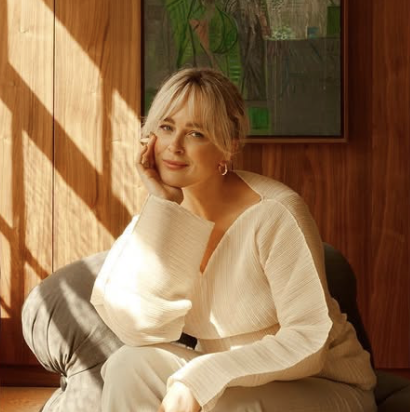


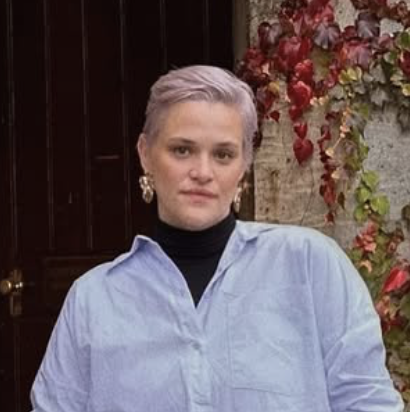

References: Roya Zeitoune & Nicolas Szmidt: “‘Slow living’: The new fast-rising consumer trend”, Abhishek Naik: “The Art of Slow Living: Where Luxury Meets Sustainability with Panache”, Slow living ldn: “What is slow living?”
Image Credit: Copenhagen Fashion Week/James Cochrane/AIAYU – SS25, Sophie-Forster-Vogelsberger/Astrid Aschenbrenner.

Josephine is a Media Researcher and Market Coordinator at VOCAST. She grew up in Germany and France and holds a Master’s degree in Cognition and Communication from the University of Copenhagen. Outside of the office, Josephine practices, studies, and teaches Yoga. Other interests of hers include film photography, rope climbing and exploring cities through their coffee shops and bakeries.
Get free knowledge on how to optimize your B2B marketing & new product releases.
To view this protected post, enter the password below:
Linus Bohlin has bought brands, sold a brand, and is now building one. From all three seats, the same lesson keeps surfacing: the brands that resellers sell hardest are the ones that make their product data and content easiest to use. Most people in this industry...
Design festivals are fast-paced, highly compressed, and intensely competitive. To stand out among hundreds of exhibitors during Copenhagen’s 3daysofdesign, forward-thinking brands must look beyond physical square footage. By transforming your digital showroom into a...
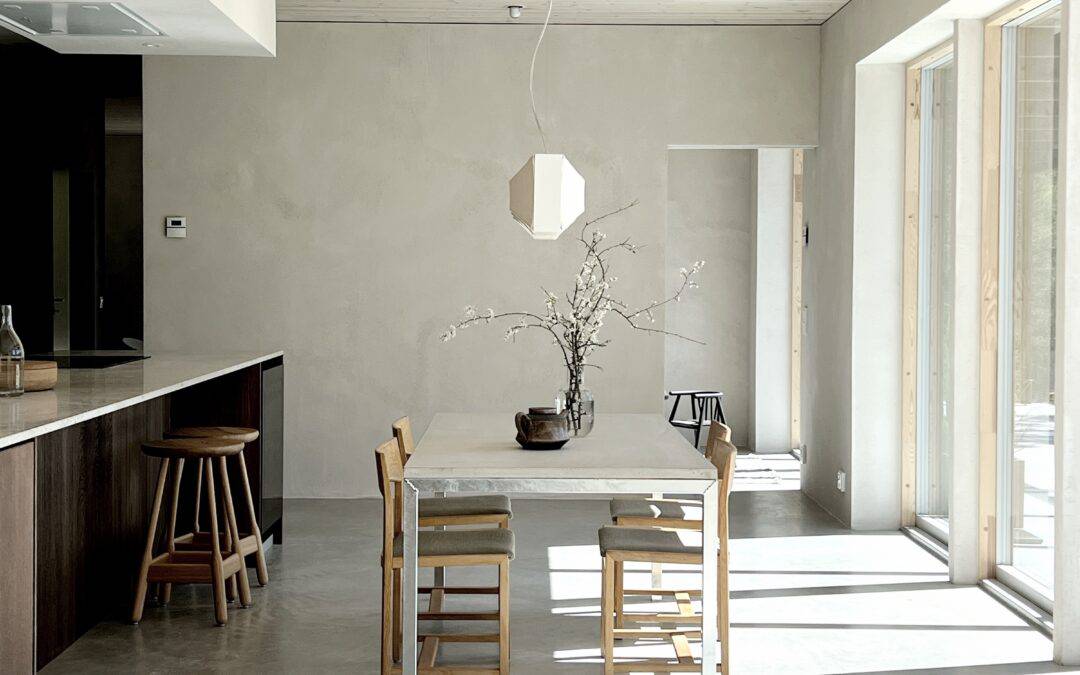
In the realm of interior design, stylists, recognized for turning creative visions into captivating editorial and commercial projects, are increasingly emerging as key influencers on social media. The rise of digital platforms has substantially redefined their roles, allowing stylists to not only extend their professional reach beyond the traditional confines of print media but also open up dynamic new avenues for brands to harness their expertise in forging connections with their audiences. This transformation sparks interest in how interior stylists navigate their dual roles and the distinctive value they bring as influencers. But how exactly can brands leverage this synergy to produce compelling content that genuinely resonates with today’s discerning consumers?
Drawing from expert insights, this article explores the multifaceted role of interior stylists as they emerge as powerful influencers in the home and lifestyle sectors. We will uncover the balancing act between their creative endeavors and the demands of managing an online presence, and look into how their profession is poised to evolve further. To shed light on this dynamic, VOCAST interviewed two influential Swedish voices in interior styling, Pella Hedeby and Frida Ramstedt.
 Pella Hedeby is an interior stylist, designer, and content creator, recognized for her soft minimalistic touch in creating inviting spaces for both corporate and private clients alike. Characterized by the use of natural materials and timeless pieces, her work has solidified her as a key influencer in the world of Scandinavian interior design, crafting spaces that transcend trends and always evoke a sense of harmony and serenity.

Frida Ramstedt is an interior stylist, designer, and bestselling author. She is also the founder of Trendenser.se, Sweden’s largest, award-winning interior design blog, where she shares insights on everything from trend forecasting and industry news to product reviews and practical interior advice. With her profound knowledge of trends and social media, Frida has established herself as a highly sought-after expert in the interior design industry.
Photo credit: Anna Roström
The multifaceted work of an interior stylist extends far beyond ensuring the captivity of editorial and commercial projects, making each day at work anything but predictable. The behind-the-scenes of capturing evocative images celebrating the talking points of a space requires an array of responsibilities and thorough consideration of various elements that often remain unseen. When curating and staging interiors, be it for photoshoots, advertisements, editorial features or events, stylists must consider everything from textures and colors to the angles that best convey the narrative of that residence, all while following the client’s brief. By often collaborating with other professionals such as photographers and magazine editors in the process, as Pella describes, requires stylists to be adaptable to the unique demands of their projects. Ultimately, the day-to-day responsibilities and creative challenges evolve constantly, making adaptability key to succeed in this field.
“It’s everything from material choices and sketches for private interior clients to sourcing props for photoshoots. On other days I’m either working on set in a photo studio or on location, or then planning ahead with clients on site visits.”
Meanwhile, the increasing influence of social media has undeniably introduced a new dimension to the role of interior stylists. Social media platforms have become powerful spaces for visual storytelling, enabling stylists to connect directly with broader audiences, unrestricted by geographic boundaries. This has naturally led to a blending of personal branding with professional work, becoming a hallmark of modern interior styling. As Pella notes, the path to becoming an influencer alongside her styling work has unfolded in tandem.
“It all came naturally and unplanned.”
Until recently, interior stylists were expected to showcase their creative work by investing in building extensive and often costly portfolios. The emergence of social media platforms has revolutionized this practice, allowing stylists a more accessible way to convey their creative visions. Platforms like Instagram are now widely used as powerful tools for sharing projects, effectively serving as a digital portfolio for stylists. Consequently, instead of relying solely on print media for exposure, stylists have an alternative medium for expanding their professional networks and reaching potential clients. With today’s stylists having to seamlessly balance their creative work with maintaining an online presence is a challenge that, as Pella highlights, requires not only strategic planning but also refined time management skills to fully harness the advantages of the digital platforms.
“With social media, you have the opportunity to tell your own story and create the content that shows who you are, your personality, and your sense of style. It can be your best portfolio and business platform if you have the skills, time, and drive to make consistent content. We can´t forget that being an influencer takes time and focus, and we have to be able to do social media parallel to our work. And mix it with fingertip feeling.”
For many stylists, social media transcends the influencer label, serving instead as a platform for personal expression. Rather than posting solely for engagement purposes, stylists often use their feeds as a space to share personal projects and images that truly resonate with them. This allows them to stay connected to their original passion and present a genuine, unfiltered glimpse into their creative world.
“I don’t think so much along the lines of being an influencer when sharing on social media today. I want to go back to where I started and use my platform to inspire. So, I share bits and pieces of my life and work when I myself feel inspired.”
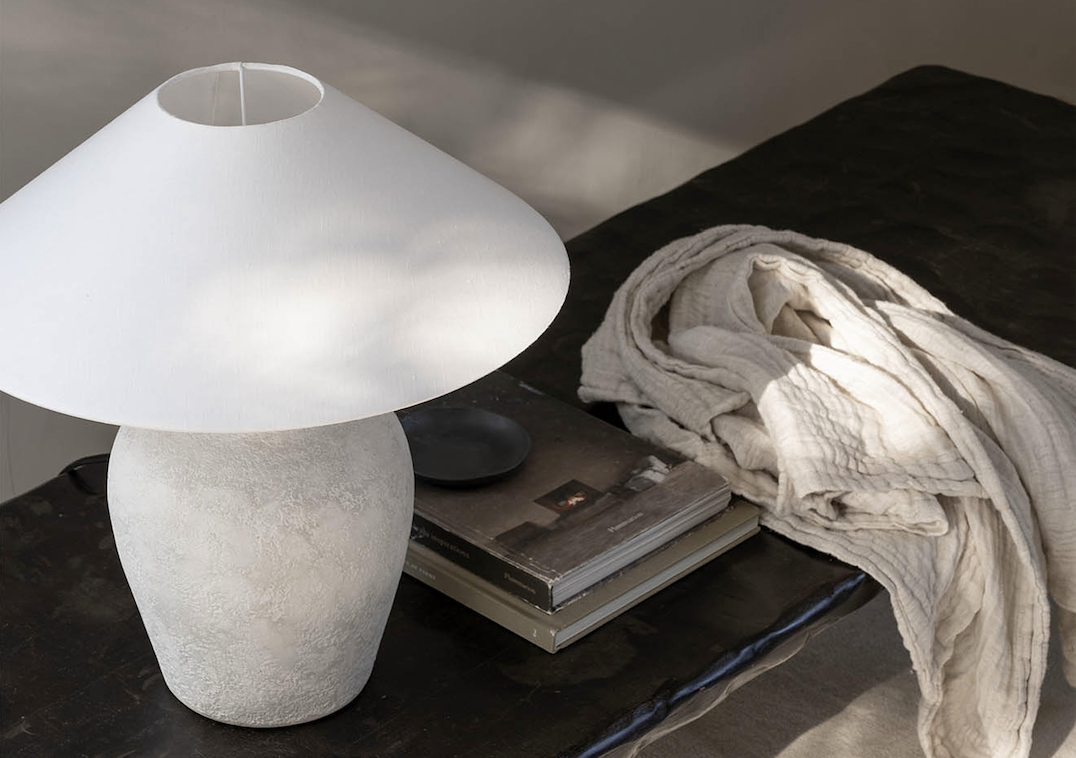
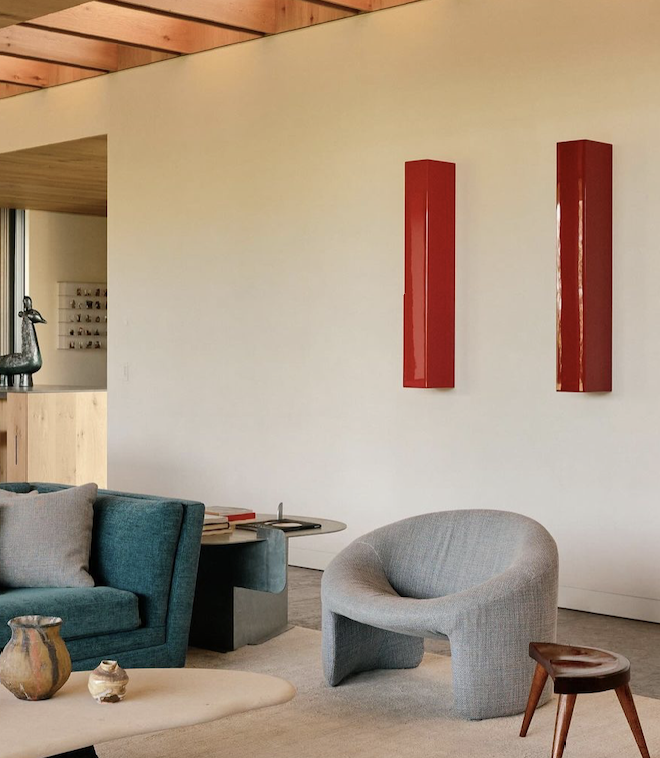
Styling: Pella Hedeby for Watt & Veke, Photo credit: Helena Nord
When it comes to connecting brands with interior stylists, Frida highlights that brands can expect compelling content that resonates deeply with their target audiences. Essentially, the expertise of stylists allows brands to showcase their products in visually compelling narratives curated to highlight the desired features of the products, from style to functionality and versatility, thereby capturing the attention of the target audience.
“We are experienced in creating images and interiors that are both beautiful and problem-solving. We know how to make a certain product appear as the hero of a room and make it look good in a context that your followers appreciate.”
Frida adds that interior stylists understand that when working with a brand it’s not only about relying on personal preferences or simply following popular trends. Instead, it’s about carefully understanding the brief provided by the client and delivering effective solutions. As such, this thorough understanding only elevates brand partnerships, ensuring they fulfill both aesthetic but also practical demands.
“Many have a false idea that it’s just about making beautiful rooms but it’s much more about solving problems. You can’t just go for the things you like in your private home, or for popular styles, you must be able to listen carefully to your client’s needs and do your best to meet them.”
Besides, products promoted by stylists signal a high degree of credibility, as such brand partnerships go beyond conventional promotion but rather act as a testament to the authentic design choices of the stylist. As Frida highlights, stylists must be selective about the brands and products they work with to build trust with their audiences, reassuring each promotion thoughtfully reflects their professional aesthetics. This alignment creates a synergy that only amplifies their influence and solidifies the trusted position of stylists within the industry. Partnering with brands that stylists genuinely connect with not only reinforces their craft but also elevates both the brand and the product they represent in the process.
“We need to be selective as our own names are at stake. I would never make a paid promotion for a brand or product I don’t personally like and that’s a ‘quality guarantee’ that my readers trust.”
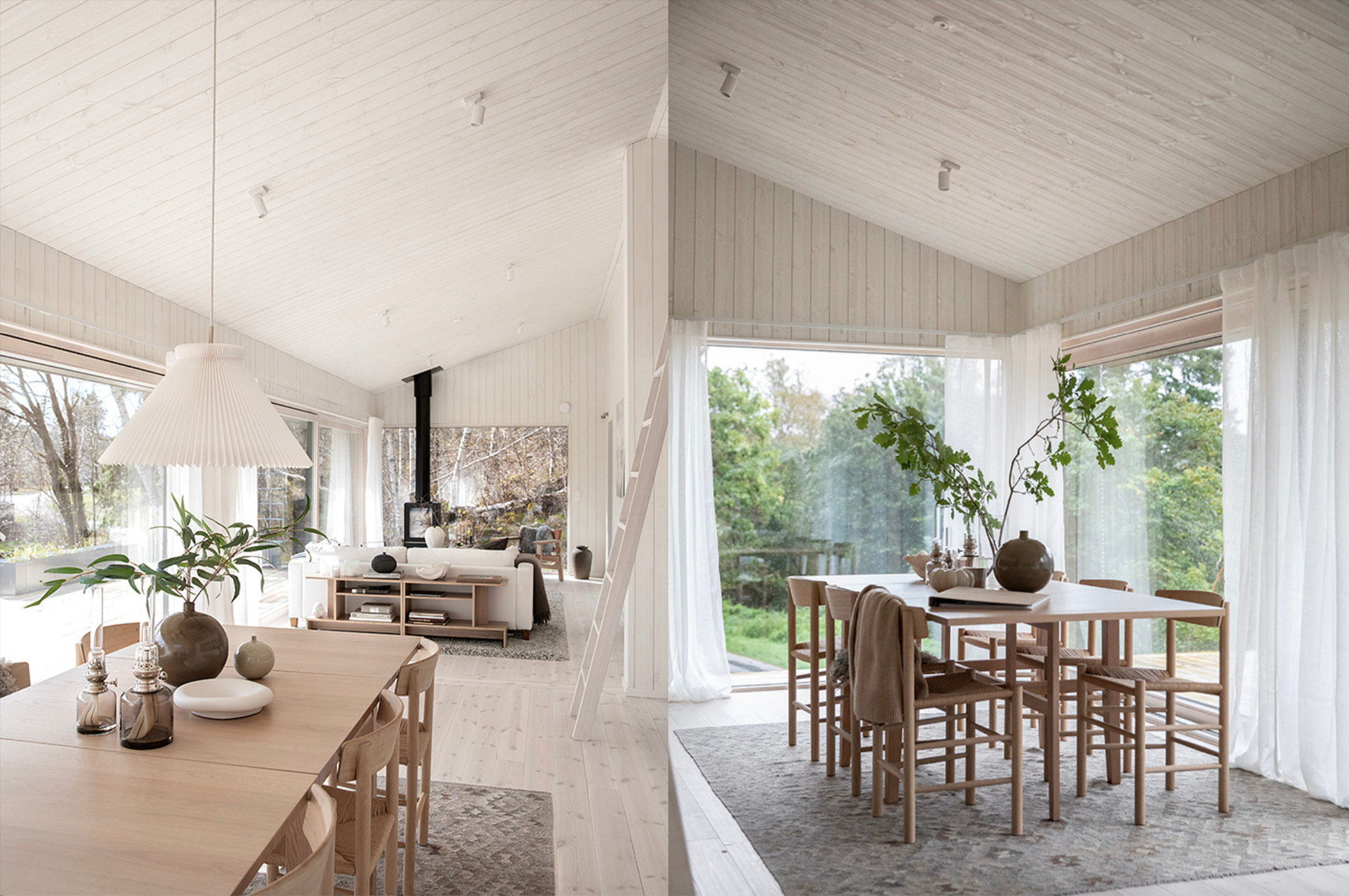
Styling & Photo credit: Frida Ramstedt for Sommarnöjen
The potential for social media to shape the future of the interior design landscape is immense, having already transformed how stylists connect with audiences and expand their professional networks. Emerging platforms and technologies will likely continue to redefine this profession, but as the digital space grows more saturated, Frida notes that the demand for genuine, emotional connection will become key. With audiences increasingly drawn to sincere content, especially as AI and automated technologies flood social media with generic posts, stylists who will be able to cultivate real connections will stand out. For brands, this trend presents valuable opportunities. As consumers increasingly turn to social media for decision-making, partnering with stylists who are uniquely positioned to drive influence and craft authentic narratives offers a powerful way to reach consumers on a truly meaningful level.
“Social media is built on social interactions and the demand for that will increase when the use of AI-based communication becomes more common.”
The future for interior stylists holds significant promise yet is increasingly complex, as the steady introduction of new platforms and technologies requires them to refine and expand their skills to remain relevant in a rapidly evolving landscape. Adapting to these changes demands both flexibility and a willingness to evolve, as well as a strong grasp of both creative and technical aspects. As Pella points out, balancing these digital demands with artistic integrity presents a unique challenge, as maintaining an online presence must work in harmony with staying true to one’s creative vision.
“I feel that it’s both a blessing and a curse to have this opportunity. And you definitely have to find a balance between being both a stylist and an influencer.”
Working with an interior stylist can greatly enhance your brand’s reach and deepen its connection with your consumers. Here are some of the key dos and don’ts to consider for successful partnerships:
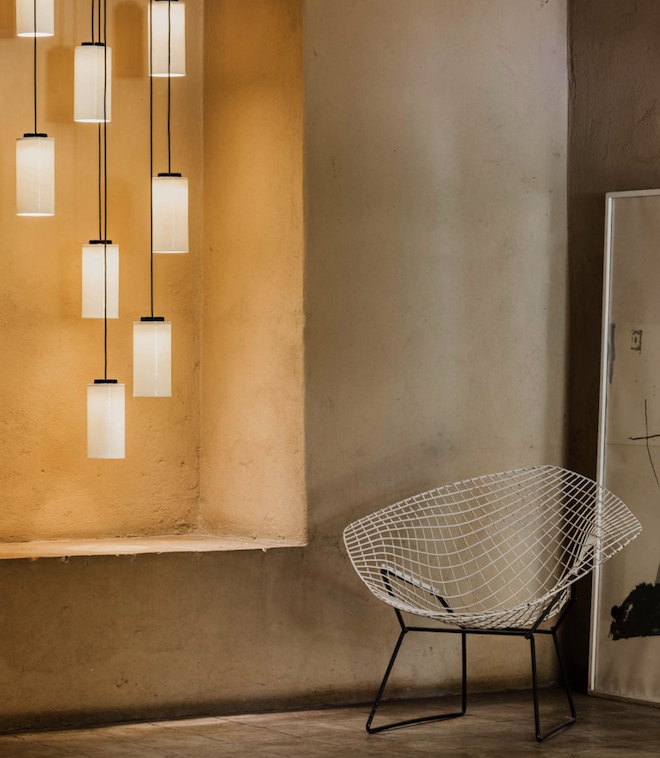
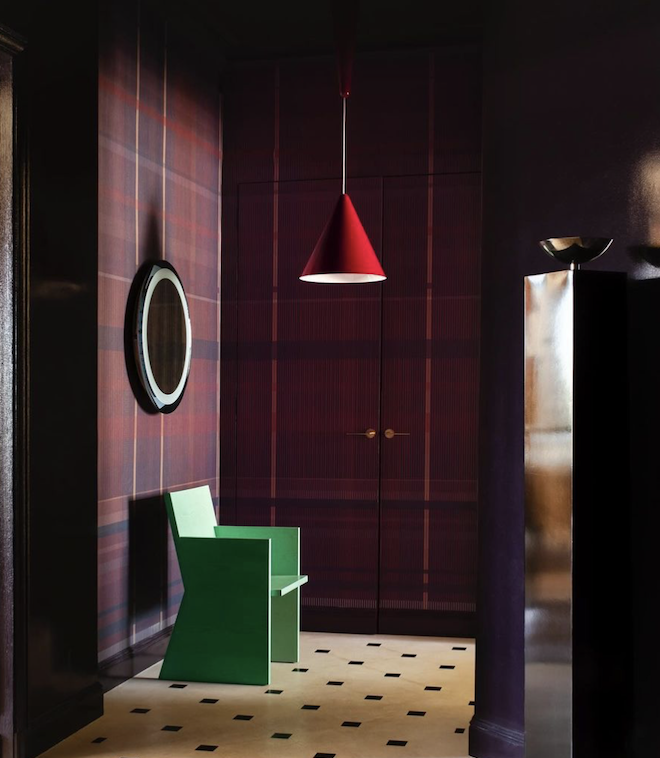
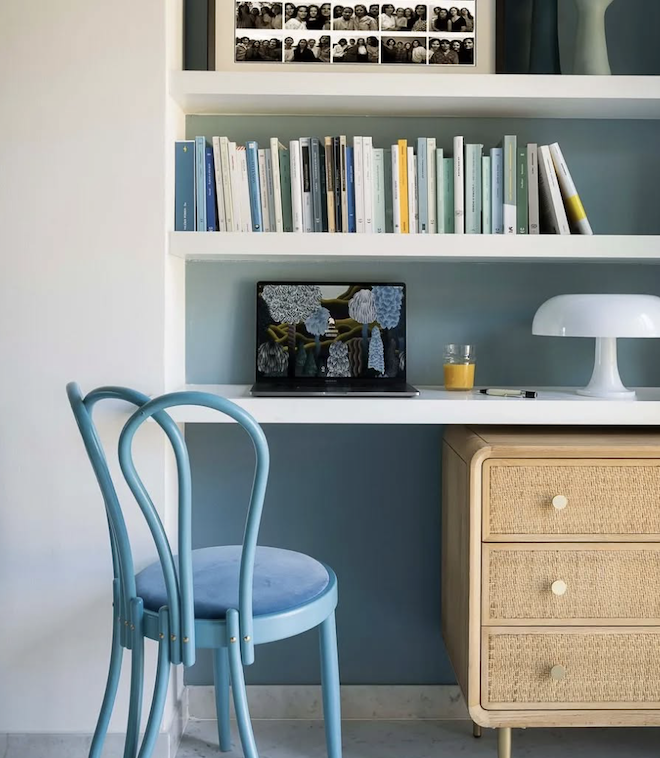
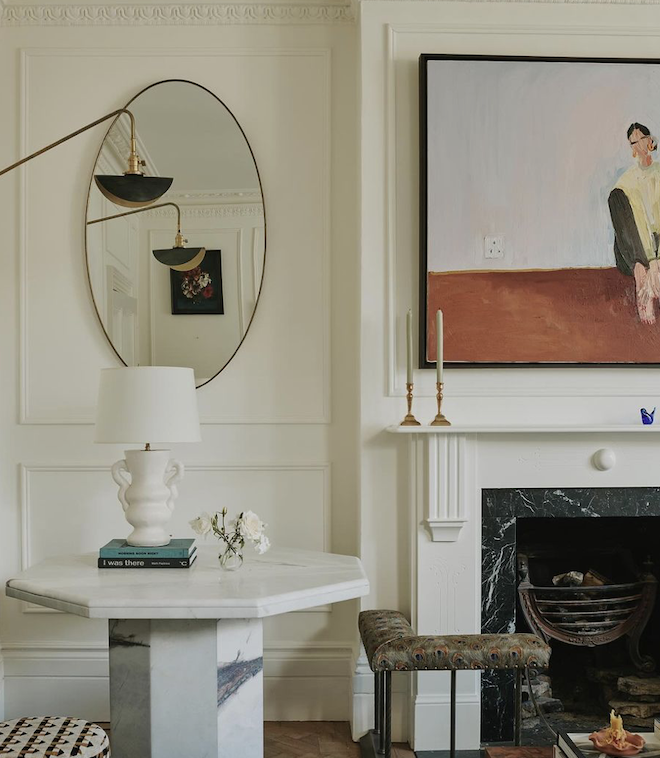
Our international research team has gathered some of the most esteemed interior stylists from each market. Take a look below:
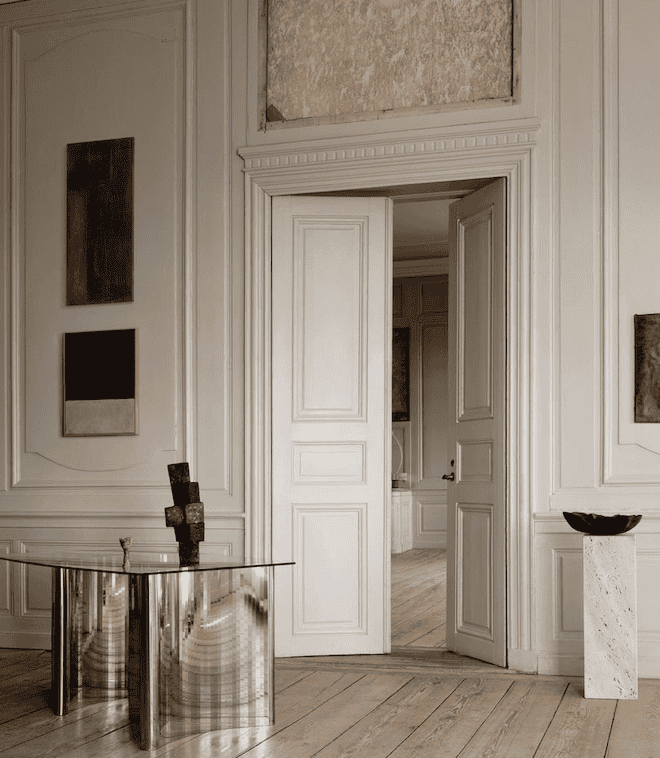
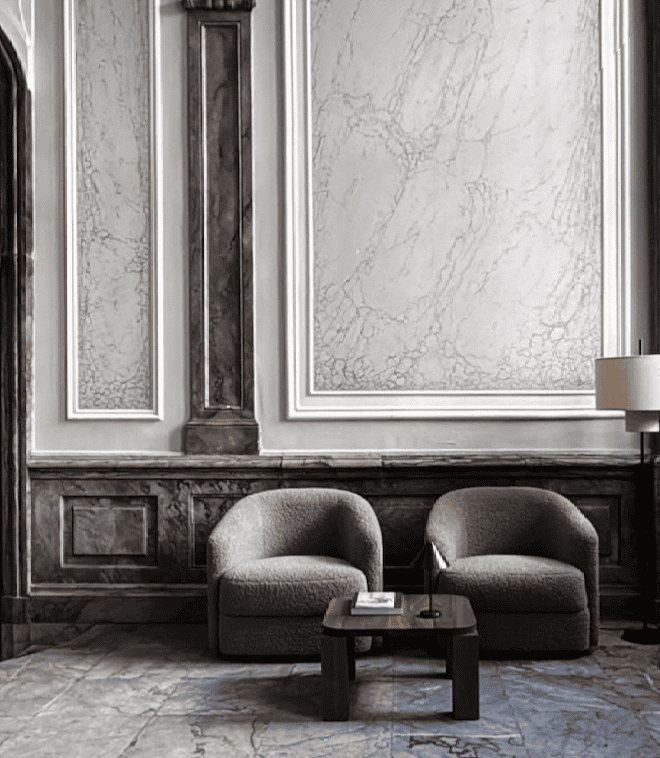
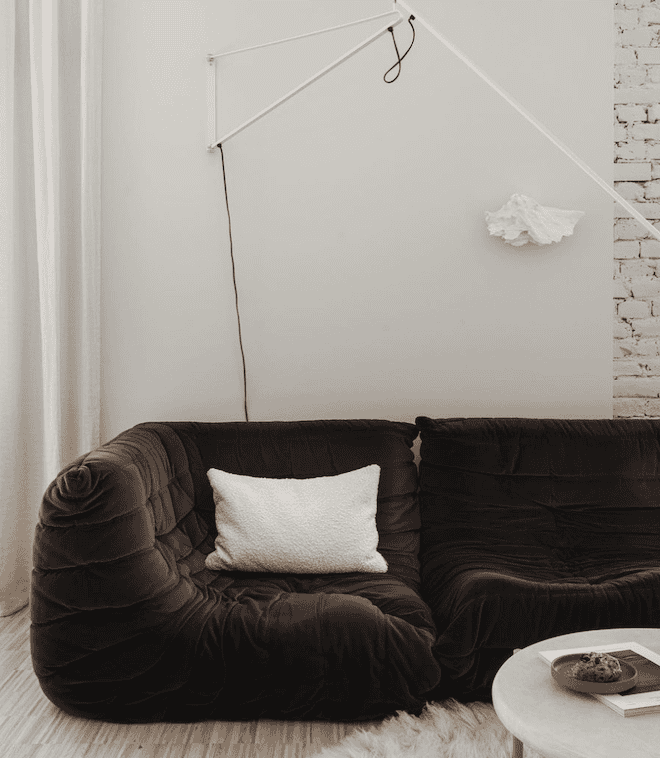

References: Design Dash: Should You Hire an Interior Stylist for Project Shoots? D5 Design Magazine: Social Media’s Impact on Home Design: Perspectives from Influential Designers Design Stories: Talking with 3 Creators of Nordic Happiness: “The best part? Sharing a passion with others”
Styling & Photo credit: Pella Hedeby for Villa Skog
Sofia Kekkonen is the Media Researcher for the Finnish market at VOCAST. She is currently pursuing a Master’s degree in Brand and Communications Management at Copenhagen Business School, and has a strong interest in the creative industries.
Get free knowledge on how to optimize your B2B marketing & new product releases.
To view this protected post, enter the password below:
Linus Bohlin has bought brands, sold a brand, and is now building one. From all three seats, the same lesson keeps surfacing: the brands that resellers sell hardest are the ones that make their product data and content easiest to use. Most people in this industry...
Design festivals are fast-paced, highly compressed, and intensely competitive. To stand out among hundreds of exhibitors during Copenhagen’s 3daysofdesign, forward-thinking brands must look beyond physical square footage. By transforming your digital showroom into a...


The use of podcasts has risen over the last 5-10 years, with an estimated 3000 active podcasts covering topics such as fashion, self-development, lifestyle, gastronomy, etc. According to Søren, the growing interest in podcasts as a communication form can be attributed to flexibility, not only in terms of what listeners want to hear but also when they choose to listen.
“It’s what you listen to when cycling, mowing the lawn, chopping onions, or doing something else. Unlike traditional radio, which is often background listening, a podcast is considered foreground listening because the listener actively chooses whether they want to hear P1 Debat, Mørkeland, or something else“.
In addition to being foreground listening, podcasts also offer more freedom in structuring individual episodes. Unlike traditional radio, where there are typically alternating talk segments, music, and commercials, podcasts have much more flexibility. The duration of an episode, whether it’s 20 minutes or four hours, and the structure can vary depending on the podcast genre and topic.
Contrary to traditional radio, which includes ad blocks, a podcast episode may have a single sponsor for an episode. This allows for more precise targeting of each episode. The flexibility of a podcast episode, according to Søren, opens up the possibility of delving into more niche topics, as there is no need to allocate space for elements like music or news summaries.
Communication through podcasts has several advantages, including listener flexibility and the ability to structure the podcast medium. However, there are also considerations that podcast creators need to take into account.
Regardless of the platform chosen, it is essential to consider the target audience for the podcast. While the initial target audience for podcasts in the early stages of its popularity was educated individuals aged 25-40 in the Copenhagen area, the medium’s growing popularity has broadened the audience across all age groups. However, the commercial audience, often referred to as the “middle audience”, remains the primary user of podcasts in their daily lives.
Søren believes that the commercial audience’s preference for podcasts over other audiences is due to the availability of content tailored to their interests. He highlights,
“… it’s a bit of a self-fulfilling prophecy that the young, educated Copenhageners listen the most because the content is made for them. There isn’t much content specifically for the older audience or for children.”
Another consideration in podcast usage is the limitations that come with it. Since podcasts are exclusively an audio medium, conveying information that requires visual communication forms can be challenging. It is crucial to keep in mind that communicating information that relies on visual elements may be difficult through podcasts. The absence of a visual element makes it easier to convey messages such as advertising, and it also sharpens the requirements for storytelling skills, as there is no visual support for the message. According to Søren, it is essential to create a podcast that appeals to users if they are to continue listening.
“If you just made a podcast in the old days, you were a first mover, and if you make a podcast now, you’re a bad mover.“
After developing both your concept and message, and partnering with a capable production company to create your podcast, the next step is to choose a suitable host. While it may be tempting to select a random communications employee from your company, it is worth considering whether a more well-known figure should represent your podcast outwardly.
One of Søren’s points is that a host with a more recognizable face can be an effective way to spread the word about your podcast to consumers. When discussing the importance of a good match between the host and the message/company, Søren Brunsgaard mentions the collaboration between comedian Christian Fuhlendorf and the prison system on the podcast “Fuhlendorff i fængsel.” Another successful collaboration between a company and a podcast host is the partnership between the company Bedre Nætter and podcast host Peter Falktoft.
In these two examples, Søren highlights that the podcasts were successful for both parties due to a well-produced podcast, a good match between the host and the company, and significant marketing of the podcast on both the company’s and the host’s social media. The choice of hosts for the two podcasts was also a good match because the messages of the podcasts were something the hosts agreed with or could speak well about.
Are you still unsure about how to use podcasts for future communication? Here are three pieces of advice from Søren:
Browse through a selection of some of the top-ranked podcasts across several markets, available through VOCAST’s curated lists:










References: MediaWatch: Podcasts rammer flere unge ugentligt end tv. hearHEAR: Dyk ned i en verden af podcasting. MediaWatch: Danskernes podcastfeber giver lydbranchen stor fremgang. Chanel: 3.55-Chanel-Podcasten. ELLE: Mads Emil Grove Møller er vært i ELLEs nye podcast: “Moden skal være et frirum, men den skal også kunne snakke om nogle større ting”.
Image Credit: Copenhagen Fashion Week, Noor-u-Nisa

Mia Maria Jensen Miller is one of the Danish News Media Researchers and has worked at VOCAST since January 2023. She is currently studying for her bachelor’s degree in Film and Media at the University of Copenhagen.
Get free knowledge on how to optimize your B2B marketing & new product releases.
To view this protected post, enter the password below:
Linus Bohlin has bought brands, sold a brand, and is now building one. From all three seats, the same lesson keeps surfacing: the brands that resellers sell hardest are the ones that make their product data and content easiest to use. Most people in this industry...
Design festivals are fast-paced, highly compressed, and intensely competitive. To stand out among hundreds of exhibitors during Copenhagen’s 3daysofdesign, forward-thinking brands must look beyond physical square footage. By transforming your digital showroom into a...

It’s that time of the year. The season is changing, the temperature is lowering and the fairy lights are being put up. Copenhagen is packed with things to do, places to visit, and food and drinks to try out. We have gathered a bunch of recommendations on what to do and see while you are in Copenhagen if you want to try the best things the city has to offer. Full of inspirational locations that can be used for hosting events, and meeting clients over the cozy winter period.
Danish fashion and interior culture includes a timeless elegance and functional design that resonate with people across the globe. With a commitment to minimalism, quality craftsmanship, and sustainable practices, Denmark continues to inspire the fashion and design world. The fashion and interior culture are characterized by their minimalistic and functional aesthetics, combining timeless elegance with a focus on practicality. Danish fashion reflects a unique blend of contemporary design and traditional craftsmanship, from the likes of Ganni, Day, and By Malene Birger. The Danish approach to clothing is rooted in simplicity, clean lines, and high-quality materials. Danish designers prioritize comfort without compromising on style, creating effortlessly chic looks that stand the test of time.
Danish interior design is synonymous with functionalism and a minimalist aesthetic, think Fritz Hansen, Hay and Ferm Living. The concept of “hygge,” which represents a feeling of coziness and contentment, plays a central role in Danish homes. Danish interiors often feature clean lines, natural materials, and a neutral color palette, creating an inviting atmosphere. Design icons such as Arne Jacobsen, Hans J. Wegner, and Poul Henningsen have left an incredible mark on the world of interior design. Their timeless furniture designs, such as the Egg Chair, the Wishbone Chair, and the PH Artichoke Lamp, continue to be coveted by design enthusiasts worldwide.
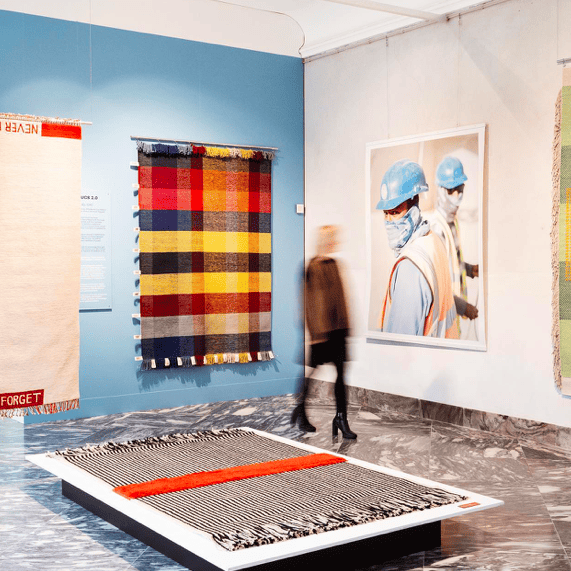
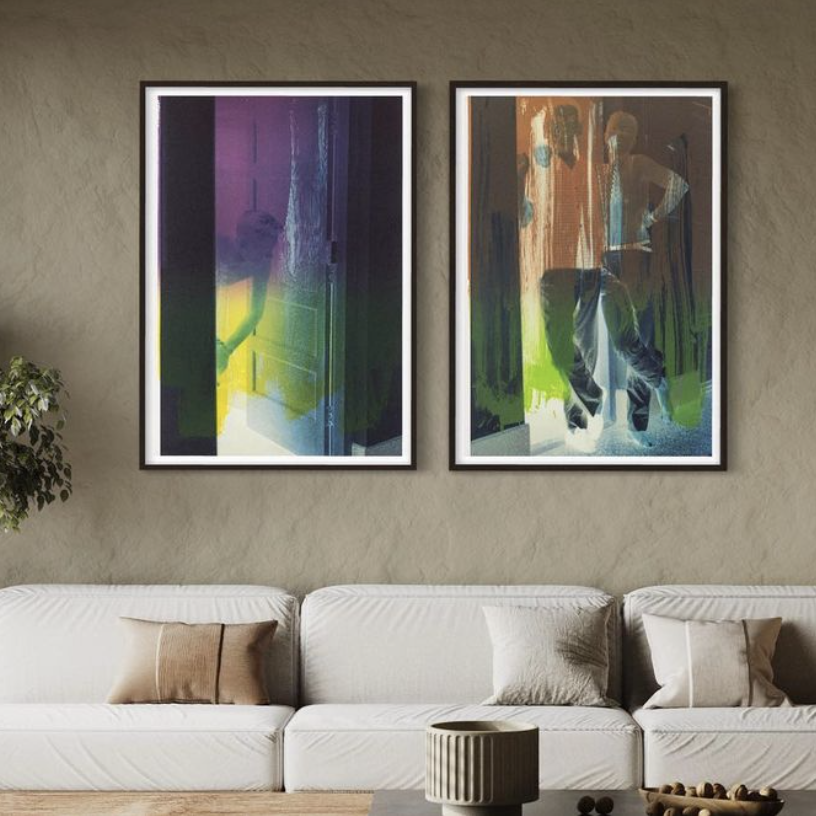
Copenhagen offers many unique museums and galleries often put in a beautiful setting and has been used as a location for lifestyle brands during fashion week, 3 days of design, etc. for many years.

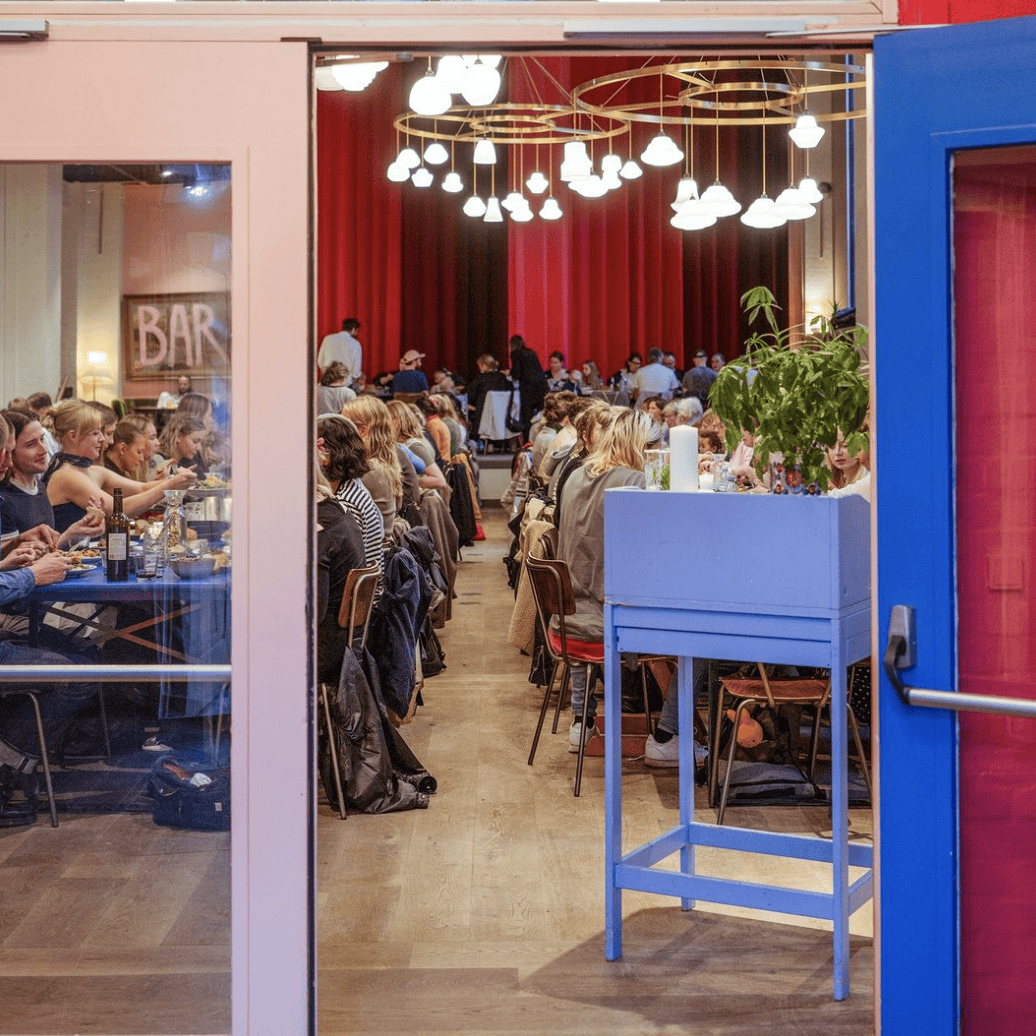
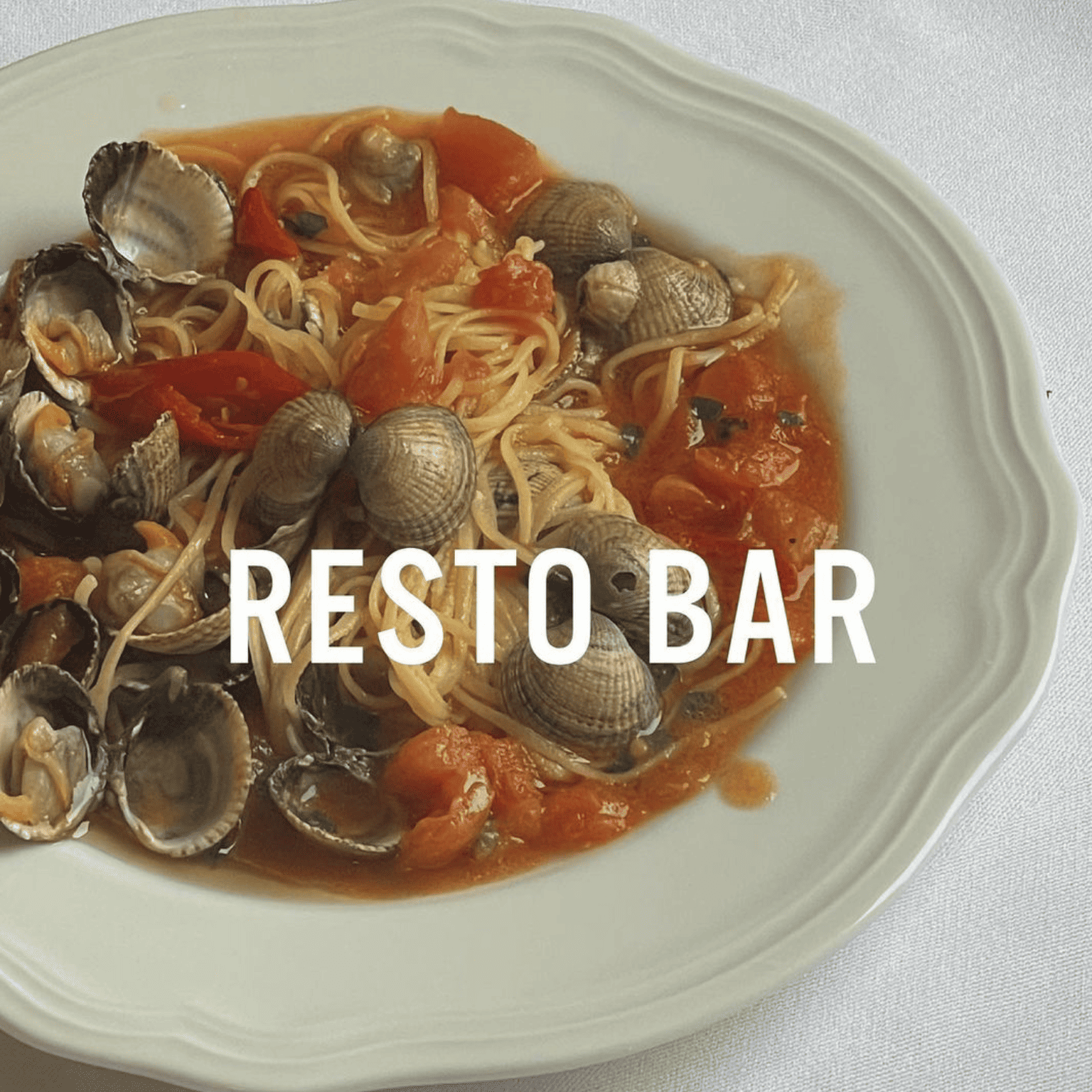
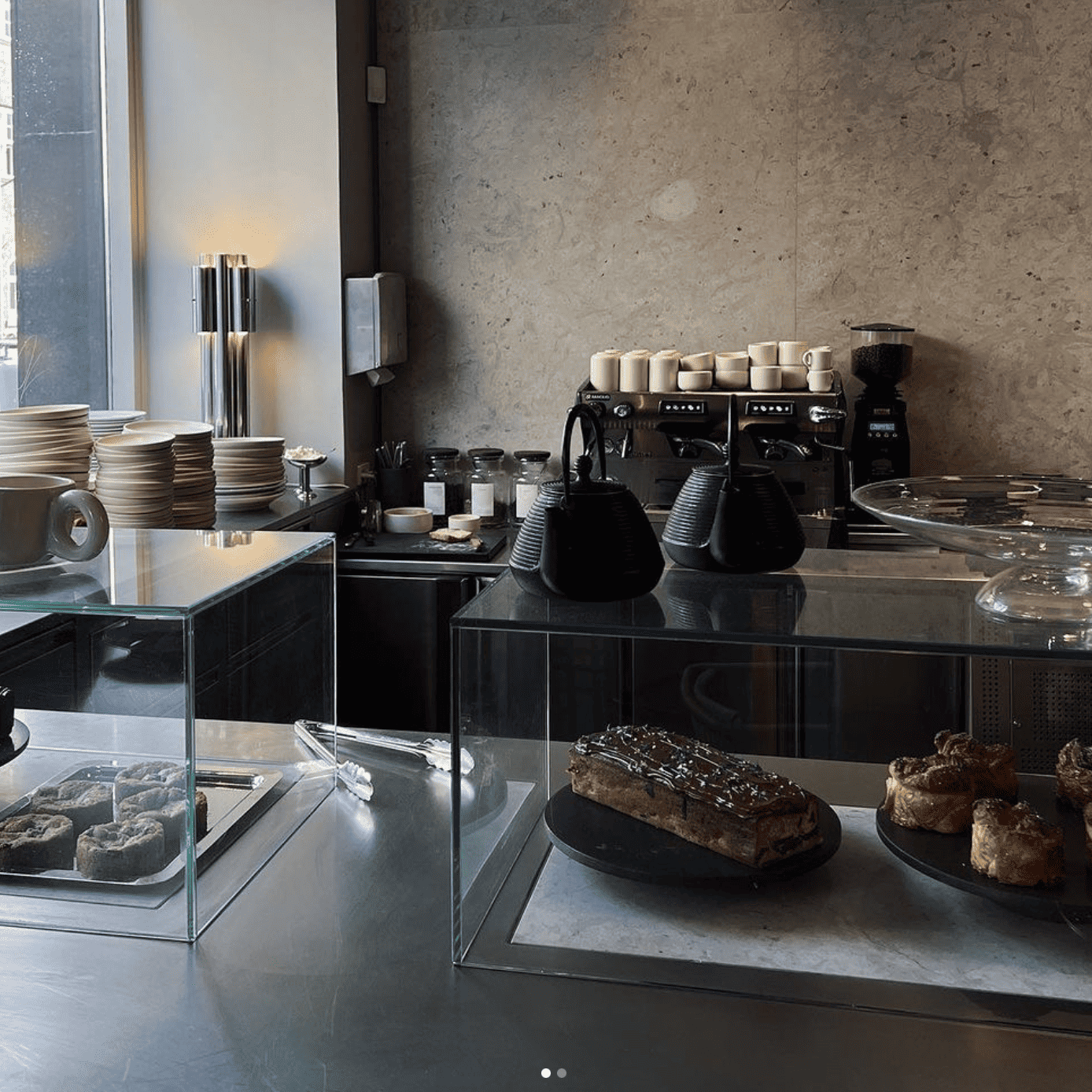
Are you looking for inspiration on where you can enjoy a nice dinner or a warm cup of cocoa in the winter time? Look no further. We have gathered a few recommendations for both great restaurants and cafes in Copenhagen.



As the vibrant hues of summer transform into the golden and snowy landscapes of autumn and winter, Copenhagen unveils a different kind of enchantment. Embracing the cool, crisp air and longer nights, the Danish capital comes alive with a unique set of activities and experiences that make the colder seasons truly magical. Whether you’re a fan of hygge, outdoor adventures, or cultural immersion, Copenhagen has something special in store for everyone during the autumn and winter months. In this section, we’ll delve into the diverse array of activities that make this Nordic city a must-visit destination for the autumn and winter seasons.





To get access to the lists regarding Copenhagen fashion influencers as well as the Copenhagen news media lists and more:


Anna Mai, Mia Maria Jensen Miller & Sophie Ørbekker are the Danish Media Researchers at VOCAST. Anna Mai is currently studying for a PBA in International Sales and Marketing at Copenhagen Business Academy. Mia is currently studying for a bachelor’s degree in Film and Media Studies at the University of Copenhagen, and Sophie is currently studying for a bachelor’s degree in Communication and digital media at Aalborg University.
Get free knowledge on how to optimize your B2B marketing & new product releases.
To view this protected post, enter the password below:
Linus Bohlin has bought brands, sold a brand, and is now building one. From all three seats, the same lesson keeps surfacing: the brands that resellers sell hardest are the ones that make their product data and content easiest to use. Most people in this industry...
Design festivals are fast-paced, highly compressed, and intensely competitive. To stand out among hundreds of exhibitors during Copenhagen’s 3daysofdesign, forward-thinking brands must look beyond physical square footage. By transforming your digital showroom into a...
